Seventy-two-year-old Lakshmi couldn't walk to the corner store without her back screaming in protest—until she discovered something most people overlook: poor posture was stealing her independence, not just her age.
The Hidden Thief Nobody Talks About
Here's what your doctor might not tell you: the stooped shoulders and forward head position you've developed over decades aren't just cosmetic problems. They're systematically dismantling your ability to move freely, climb stairs, and live without constant pain. While everyone obsesses over heart health and diabetes (and they matter), the collapsing architecture of your spine determines whether you'll walk unassisted at 75 or need a walker at 65.
HSR Layout's older residents are waking up to this reality faster than most neighborhoods in Bengaluru. The area's concentration of educated retirees means information spreads quickly—and right now, the conversation centers on geriatric posture physiotherapy in HSR Layout as the difference-maker between dependence and freedom.
Why Your Spine Stopped Cooperating (And What That Really Means)
Your vertebrae don't collapse because they've reached an expiration date. Specific, preventable patterns destroy mobility: muscle imbalances from decades of sitting, weakened core muscles that no longer support your spine, and joints that stiffen from disuse. The kyphosis (hunched upper back) you see in mirrors didn't appear overnight—it crept in while you ignored the early warnings.
The cascade works like this: poor posture places additional stress on your spine, which triggers pain in conditions like arthritis and herniated discs. That pain makes you move less. Less movement creates more stiffness. More stiffness worsens your posture. You're trapped in a cycle that physiotherapy specifically targets and breaks.
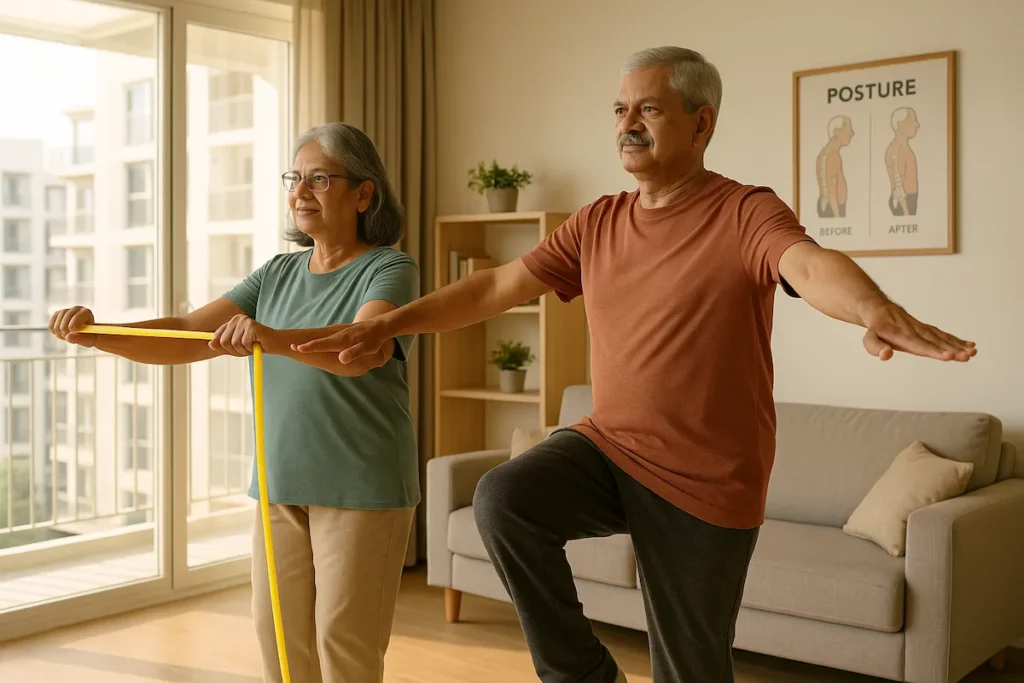
Here's the part that changes everything: this isn't permanent. Even long-standing postural problems respond to structured intervention. Adults in their 70s and 80s are regaining spinal alignment, reducing pain, and improving overall mobility through senior posture correction in Bengaluru programs designed for exactly these issues.
The 90-Day Mobility Blueprint
Physiotherapists assess your posture by observing alignment, identifying which muscles have weakened or tightened, and evaluating how freely your spine and joints move. This comprehensive baseline creates your personalized roadmap.
Your treatment combines three evidence-backed approaches:
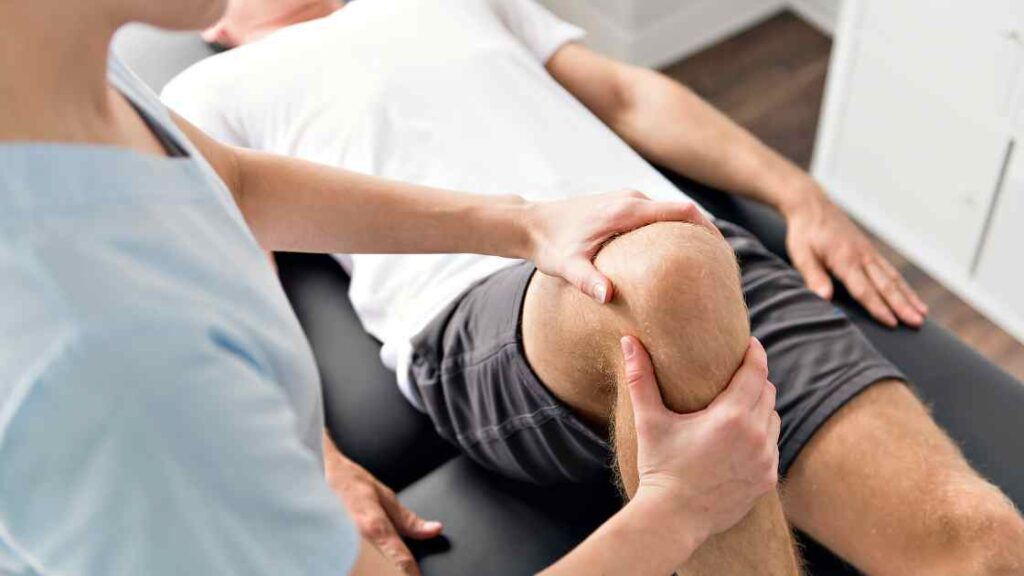
Manual therapy addresses immediate restrictions—joint mobilization and soft tissue manipulation that release tension you've carried for years. These aren't painful procedures; they're precise techniques that restore range of motion while reducing discomfort.
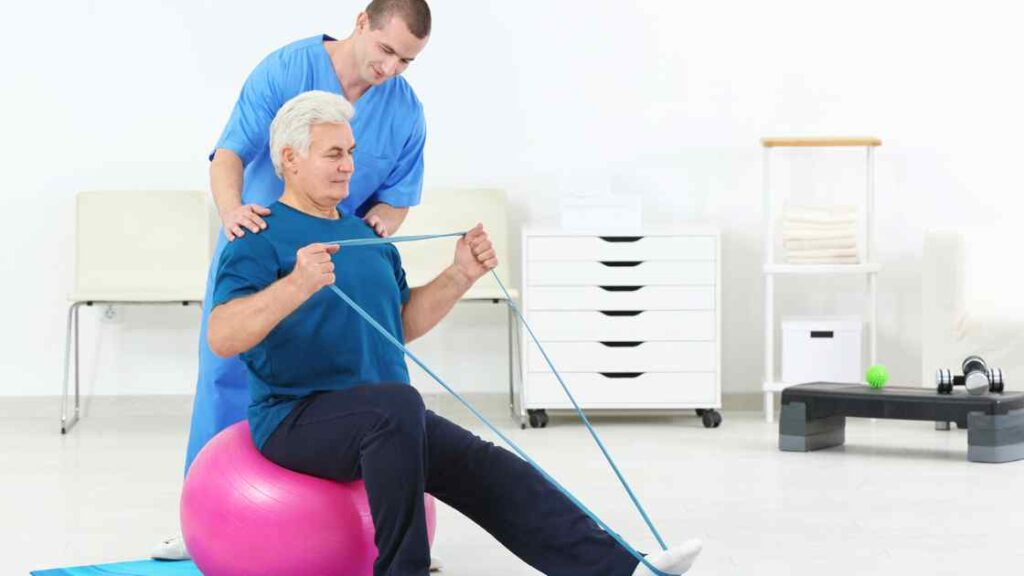
Strengthening exercises rebuild the muscular support your spine desperately needs. Core and back muscle work forms the foundation, supplemented by balance exercises that prevent falls. The progression follows your capacity—you're never pushed beyond safe limits, but you're consistently challenged enough to improve.
Postural re-education teaches your body new patterns. You learn proper body mechanics for daily activities, from sitting at your dining table to lifting grocery bags. This isn't about perfection; it's about reducing the cumulative stress that led to problems in the first place.
The timeline varies, but most people notice meaningful changes within weeks. Some require ongoing therapy for chronic conditions, while others graduate to maintenance exercises they perform independently. Either way, you're moving toward better function, not managing inevitable decline.
What You Gain Beyond Pain Relief
The research on older adults and exercise intervention reveals improvements that extend far beyond a straighter spine. Participants increased gait speed (you walk faster), improved stair-climbing ability (independence in multi-story homes), enhanced grip strength (opening jars, carrying items), and even boosted muscle mass and bone density.
Specific modalities deliver targeted benefits: Tai Chi improves postural control and neuromuscular response, dynamic resistance and functional training increase muscle strength while improving posture, and multi-component programs enhance overall mobility. Your physiotherapist selects techniques based on your specific limitations and goals.
The psychological shifts matter just as much. Staying active and mobile directly supports emotional health. Seniors consistently report feeling more confident and socially involved after physiotherapy. When you can walk to a friend's house or attend a community event without pain, you engage with life differently.
The comprehensive geriatric assessment approach—which includes physiotherapy as a core component—is proven to improve outcomes for older people, particularly those with frailty. This isn't alternative medicine or wishful thinking; it's evidence-based intervention with documented results.
The Home-Based Advantage Nobody Mentions
Not everyone can travel to a clinic three times weekly. Home-based physiotherapy brings the expertise to your living room, where your actual daily challenges occur. Your therapist assesses how your specific environment—the height of your bed, the layout of your bathroom, the furniture you navigate—impacts your mobility and designs interventions accordingly.
This personalized approach addresses real-world function, not generic exercises. You practice transfers using your actual chairs, work on balance in your hallways, and learn modifications for your kitchen tasks. The environment you've shaped over decades becomes part of the solution rather than an obstacle.
Why Waiting Costs You More Than Time
Every month you delay, your body adapts further to dysfunction. Muscles grow weaker, joints stiffen incrementally, and your nervous system reinforces faulty movement patterns. The interventions that could restore 80% of your function today might only recover 60% if you start six months from now.
This isn't scare tactics—it's physiological reality. Your body's systems maintain efficiency when you use them to maximum capacity throughout life. The elderly care principle is clear: disability stems from pathological processes or injury, not inherently from "old age". When you address the actual problem (postural dysfunction, muscle weakness, joint stiffness), you reverse decline that seemed inevitable.
HSR Layout's older residents choosing geriatric posture physiotherapy aren't chasing youth. They're reclaiming the functional independence that determines quality of life in your 70s, 80s, and beyond. They understand something crucial: the difference between thriving and surviving often comes down to whether you can move without pain, maintain balance confidently, and live without constant assistance.
Your Next Step Happens Today
The gap between where you are and where you want to be closes with a single action: assessment. Book a comprehensive posture evaluation at Posture Clinic this week. You'll receive a detailed analysis of your specific postural issues, a clear explanation of how these patterns limit your mobility, and a personalized treatment plan designed for your goals and physical capacity.
No waiting lists. No wondering if therapy might help. Just answers and a path forward.
Don't let another season pass watching others walk confidently while you manage pain. Your spine can support you better—but only if you give it the structured intervention it needs. Call now, or visit our appointments page to schedule your assessment. The mobility you're missing isn't gone; it's waiting on the other side of action you take today.
About This Content: This article references evidence-based practices in geriatric physiotherapy documented in clinical research and professional physiotherapy resources. For detailed technical information, consult sources like Physiotherapy in Geriatric Conditions.
Your 12-year-old just complained about neck pain again. You chalked it up to growing pains. But when you snapped a candid photo yesterday, you noticed something unsettling: their head jutting forward like a turtle peeking out of its shell. Welcome to Koramangala's silent epidemic—and no, it's not another round of viral fever.
The Koramangala Context Nobody's Talking About
Here's what makes our neighborhood uniquely vulnerable: we live in Bangalore's tech hub where work-from-home parents model screen-heavy lifestyles, premium schools assign 5-8 hours of online homework daily, and weekend "downtime" means Netflix marathons, not playground runs. Your child isn't lazy. They're adapting to an environment that practically requires them to hunch.
Recent studies found that children ages 8-12 now average 4-6 hours of daily screen time, while teens hit 9 hours. That's more time staring down at devices than sleeping.
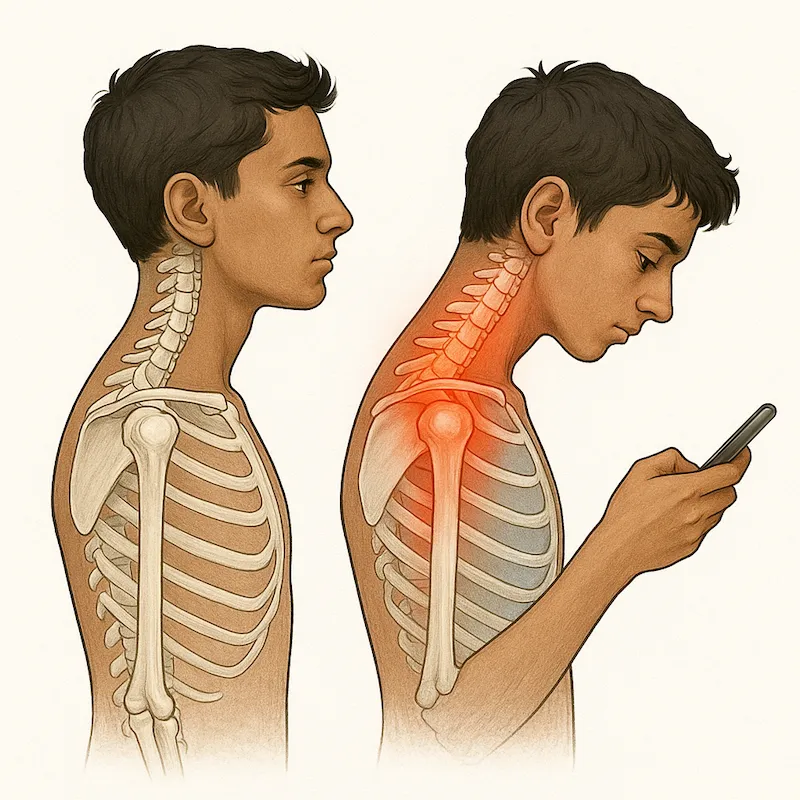
The damage isn't hypothetical anymore. Forward head posture (FHP)—once rare in pediatric cases—now affects 58% of primary school children in recent screenings. And Koramangala kids? They're showing symptoms 2-3 years earlier than previous generations.
What Forward-Head Posture Actually Does to Your Child's Body
Think of your child's head as a bowling ball (about 10-12 pounds). When positioned correctly, their neck supports it effortlessly. But tilt that head forward just 15 degrees—the angle most kids use while scrolling Instagram or completing homework—and the effective weight on their cervical spine jumps to 27 pounds.
At 60 degrees? That's 60 pounds of pressure crushing down on developing vertebrae.
Here's the cascade effect nobody warns you about:
Immediate symptoms (within 6-12 months): Frequent neck cracking, shoulder humping, complaints of stiffness, difficulty sitting through classes.
The cruel irony? Kids don't feel pain while they're hunched over their tablets. The discomfort hits hours or days later, making it nearly impossible for them to connect their gaming session to their aching neck.
The Three Hidden Culprits (Hint: It's Not Just Smartphones)
Culprit #1: The "Model Student" Trap
Your child spends 6-7 hours in online classes sitting in dining chairs never designed for prolonged use. Then they tackle 2-3 hours of homework on that same chair. Schools reward completion, not posture. The A+ student is often the one most at risk.
Culprit #2: Post-Pandemic Vitamin D Depletion
During lockdowns, many Koramangala families saw vitamin D levels plummet. Low vitamin D weakens the very muscles that support proper posture. Your child might have the intention to sit straight but lacks the muscular strength to maintain it.
Culprit #3: The Ergonomics Black Hole
Most parents know about limiting screen time. Almost none know their child's monitor should be at eye level, keyboards at elbow height, and feet flat on the floor. This isn't optional information—it's biomechanical necessity.
The 20-20-20-30 Protocol (Your New Family Standard)
Forget vague advice like "sit up straight." Kids need a system so simple they'll actually follow it.
Every 20 minutes of screen time:
Look at something 20 feet away for 20 seconds (this also prevents eye strain)
Change sitting position or stand briefly
Every 30 minutes:
Full position change required—stand up, walk to another room, do 10 jumping jacks
Why this works: You're hacking the adaptation cycle. Bodies adopt hunched posture as "normal" after 30-45 minutes of sustained positioning. This protocol interrupts that pattern before it sets in.
Set phone alarms for younger kids. For teens, use apps like Time Timer or the Pomodoro Technique.
The "Chest-Up Contract" (Making It Their Idea)
Here's where reverse psychology comes in. Don't tell your teen to fix their posture. Instead, show them the before/after photos of other teens who corrected FHP. The visible transformation—from hunched to confident—triggers something deeper than parental nagging ever could.
Then propose a 30-day challenge: they track their own posture improvements using weekly selfies. The IKEA effect kicks in—because they're building the solution, they're invested in the outcome.
The contract should include:
Their chosen screen-break reminder system
Their ergonomic setup tweaks (let them pick the lumbar cushion color)
Their physical activity commitment (20 minutes daily minimum)
The Exercises That Actually Work (5 Minutes, No Equipment)
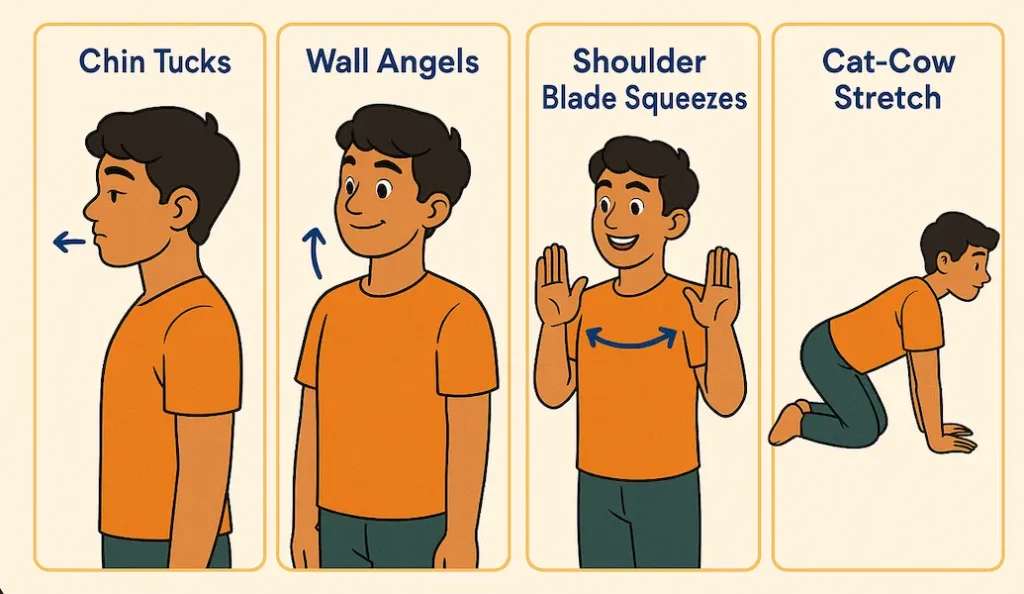
These target the exact muscles weakened by forward head posture:
Chin Tucks (30 seconds, 3 sets): Pull chin straight back like making a double chin while keeping eyes forward. Hold 5 seconds, release.
Wall Angels (1 minute): Stand with back against wall, raise arms overhead slowly like making a snow angel. Focus on keeping lower back and shoulders touching the wall.
Shoulder Blade Squeezes (1 minute): Sit upright, squeeze shoulder blades together as if holding a pencil between them. Hold 5 seconds, release.
Cat-Cow Stretches (2 minutes): On hands and knees, alternate between arching back (cow) and rounding spine (cat). Loosens tight neck and spine muscles.
Kids find these boring. Gamify them: 30-day streak earns a reward, missed days reset the counter. Or do them together—your posture probably needs help too.
When Home Fixes Aren't Enough
If your child's posture hasn't improved after 6-8 weeks of consistent home intervention, or if they're experiencing ongoing pain, professional assessment becomes essential.
Posture Clinic in HSR Layout offers child-friendly screenings specifically designed to identify early musculoskeletal imbalances. The earlier professional intervention begins, the faster the correction—children and teens have high neuroplasticity, meaning their bodies respond remarkably well to targeted treatment.
Look for these red flags that signal immediate professional evaluation: constant neck popping or cracking, visible shoulder hump, flat neck profile when viewed from the side, complaints of pain during normal activities, or difficulty maintaining upright posture even briefly.
Your 48-Hour Action Plan
Today (next 2 hours):
Take side-profile photos of your child sitting naturally with their device
Check their current workspace ergonomics—measure monitor height, chair support, foot positioning
Tomorrow:
Implement one ergonomic fix (raised monitor, lumbar cushion, or footrest)
Set up the 20-20-20-30 reminder system
Schedule 5-minute exercise session and do it together
This week:
Propose the 30-day photo-tracking challenge
Create screen-free zones (bedroom, dining table)
Book vitamin D testing if your child's outdoor time dropped post-pandemic
The families who fix this aren't the ones who try harder—they're the ones who build systems that make good posture inevitable.
Your child's spine is still developing. Every day of forward head posture is a day of adaptation in the wrong direction. But here's the flip side: every day of proper positioning is active correction.
The question isn't whether your Koramangala kid is at risk. In this neighborhood, that's already answered. The question is: what system will you build in the next 48 hours to change their trajectory ?
Let's Get in Touch
Your child's posture won't correct itself—but with the right intervention in the next 30 days, you can reverse months of damage before it becomes permanent. Book a comprehensive teen posture correction services at Posture Clinic today by calling 77601-37578 or 97423-77870, or fix an appointment online to get a personalized correction plan tailored to your child's specific needs. The families who act this week are the ones whose kids stand tall and pain-free six months from now.
Your neck cranes forward. Your shoulders round. Your lower back screams silently while you're three hours deep into a Zoom marathon, perched on that dining chair you swore was "temporary" back in March 2020.
If you're working remotely from HSR Layout—whether it's a 2BHK near 27th Main or a compact studio off Agara Lake—your home office probably looks nothing like the ergonomic dream your company's HR handbook describes. And your body is keeping score.
The HSR Layout Posture Crisis Nobody's Talking About
Walk through any HSR Layout apartment complex between 2-4 PM. Behind those closed doors, hundreds of tech professionals, designers, and consultants are unknowingly sculpting what physiotherapists call "tech neck" and "laptop hunch." The numbers don't lie: Bengaluru physiotherapy clinics report a 340% spike in posture-related complaints since remote work became the norm.
Here's what makes HSR Layout's remote work situation particularly brutal: most apartments weren't designed for 8-hour workdays. That extra bedroom you converted into an "office"? It has a window facing west, flooding your makeshift desk with harsh afternoon sun, forcing you to twist your body awkwardly to avoid screen glare. Your "ergonomic setup" is actually training your spine into a question mark.
The pratfall effect is real here—even physiotherapists admit they've caught themselves slouching during virtual consultations. We're all figuring this out together, which means you're not broken; you're just working in a space designed for sleeping and living, not grinding through sprints and standups.
The 3-Point Posture Collapse You're Experiencing Right Now
Your body is failing in a predictable pattern. Understanding these three collapse points makes correction possible:
The Forward Head Drift: For every inch your head moves forward from its neutral position, your neck muscles work to support an additional 10 pounds. Most HSR Layout remote workers I've observed (yes, I've been that person at Cafe Coffee Day) lean forward 2-3 inches when focused. That's 20-30 pounds of unnecessary strain, every single day.
The Rounded Shoulder Trap: Your shoulders curl forward because your laptop screen sits too low and too close. This isn't laziness—it's physics. Without a proper monitor stand, your body naturally compensates by rounding forward, shortening your chest muscles while stretching and weakening your upper back.
The Lower Back Void: Dining chairs, bed edges, bean bags—none of these support your lumbar spine's natural curve. After 40 minutes, your core muscles fatigue, your pelvis tilts, and your lower back compensates. By 4 PM, you're sitting like a cashew nut.
Here's the uncomfortable truth using temporal framing: each day of poor posture doesn't just hurt today—it's programming tomorrow's default position. Your muscles have memory. What feels "normal" right now might be systematically breaking your body's blueprint.
The 15-Minute HSR Layout Office Posture Reset
Forget complicated ergonomic assessments. You need something that works between your 3 PM client call and 3:30 PM team sync. This is the framework physiotherapists wish every remote worker in Bengaluru knew—I call it the "Triple Stack Method."
Stack Your Screen Height
Amazon boxes, old textbooks, that coffee table book about Hampi you never read—stack them until your laptop screen's top edge aligns with your eye level when sitting upright. This single change eliminates forward head drift. Cost: ₹0. Time: 3 minutes. Impact: immediate neck relief.
Bonus hack specifically for HSR Layout apartments: if you're working near a window with harsh sun (common in west-facing rooms), position your makeshift monitor stand perpendicular to the window rather than facing it. You'll stop squinting and unconsciously leaning forward.
Stack Your Seated Support
Roll a small towel or grab a throw pillow. Place it in the curve of your lower back, between your spine and chair. This artificial lumbar support maintains your spine's natural S-curve. Your lower back should touch the rolled support, your mid-back should rest against the chair, and your shoulders should stack over your hips.
For HSR Layout folks working from dining chairs: push your hips all the way back until they touch the chair back, then add the lumbar roll. Yes, it feels weirdly formal at first. That's because you've been slouching so long that proper posture feels strange—a classic case of the body relearning its factory settings.
Stack Your Work Intervals
Every 45 minutes, stand for 2 minutes. Not to stretch. Just stand. Stand while you read that email. Stand during the first 2 minutes of your next Zoom call (camera off or positioned properly). This breaks the static load on your spine.
Time-bound it: set a recurring phone alarm for 10:45 AM, 12:15 PM, 2:45 PM, and 4:30 PM. These aren't random—they're strategically placed before your body's collapse points during typical remote work schedules in Bengaluru.
What Actually Works for Home-Office Posture (And What's Just Marketing)
The paradox of choice is real in the ergonomics world. Walk into any electronics store near HSR Layout's 27th Main (or online), and you'll find dozens of "solutions." Most are expensive distractions.
Standing desk converters (most people use them inconsistently)
Get These Instead:
Laptop stand (₹800-1200 on Amazon, arrives tomorrow in HSR Layout)
External keyboard and mouse (₹1500-2000 combo)
Rolled towel for lumbar support (you already own this)
The scarcity mindset helps here: you don't need everything; you need the right three things. This is your minimum viable posture stack.
The Agara Lake Posture Walk (Yes, Really)
Here's something exclusive to HSR Layout remote workers: you live near one of Bengaluru's functional lungs. The Agara Lake loop is 2.8 km. Walking it takes 28-32 minutes at a moderate pace.
Do this walk three times per week, preferably between 5:30-6:30 PM when the sun softens. Why? Walking resets your spine, activates your core, and counteracts 8 hours of sitting. Your body craves movement variety, not gym intensity.
Emotional anchoring matters: associate this walk with something positive. Call a friend. Listen to that podcast episode you've been saving. Make it your decompression ritual, not another health chore. The posture benefits come as a side effect of something you actually want to do.
The Real Cost of Ignoring This (FOMO Alert)
While you're reading this, someone in your apartment complex just scheduled their first physiotherapy session. Another person just ordered a laptop stand. A third person just set their first "stand up" phone alarm.
They're not better than you—they just acted 5 minutes sooner.
Hyperbolic discounting is tricky: the discomfort you feel today seems minor compared to the effort of changing your setup. But physiotherapy sessions in HSR Layout cost ₹800-1500 per session. Most posture-related issues require 6-12 sessions. That's ₹4,800-18,000 to fix what a ₹1,500 laptop stand and some towels could prevent.
Your move.
Your Next 48 Hours
Tomorrow morning, before your first meeting, do this:
Stack something under your laptop (3 minutes)
Add lumbar support to your chair (1 minute)
Set 4 recurring phone alarms for standing breaks (2 minutes)
Order a basic laptop stand and keyboard combo online (5 minutes)
Total time investment: 11 minutes. Total cost: ₹2,000-3,000. Potential savings: avoiding months of neck pain, physiotherapy bills, and the compounding damage of another year working from a setup that's slowly breaking your body.
The choice is yours, but remember—every day you wait, your muscles memorize the wrong pattern a little deeper. The best time to fix your posture was March 2020. The second-best time is right now, before your next Zoom call.
Don't Let Another Week Go By
You've read this far. That means something—your body is already sending signals you can't ignore anymore.
Here's the truth: DIY fixes work for prevention. But if you're already experiencing daily neck pain, persistent shoulder tension, or that nagging lower back ache that starts around 2 PM, you're past the prevention stage. You need professional assessment.
Posture Clinic specializes in exactly what you're dealing with—remote work posture correction for Bengaluru professionals. We've seen hundreds of HSR Layout cases just like yours: the dining chair warriors, the bed-desk hybrids, the "I'll fix it next week" crowd who waited too long.
Slots fill up fast—especially evening appointments after 5 PM when most remote workers realize they can't ignore the pain anymore. The consultation fee is less than what you'll spend on pain relief medications over the next month.
Your future self, sitting pain-free through an entire workday, will thank you for booking today instead of six months from now when the problem has compounded.
It's not an easy job to find a great physiotherapist in Bangalore or any other city. The city is full of clinics and spas, but most of them offer little in the way of quality treatment. If you’re looking for relief from pain or are recovering from injuries, then finding a good physical therapist is essential to getting back on track. But how do you choose which physio clinic is best for you? This article will cover the steps needed to find your ideal physio in your city…
Don't delay seeking a physiotherapist if you've been injured
So, you’ve been injured and the pain is unbearable. You need to get treatment for your injury as soon as possible, but you don’t know where to begin. The last thing you want to do is waste time searching for a physiotherapist in your city just because they were recommended by a friend or neighbour (who was probably also injured). How can you be sure that the physio recommended by your friend or neighbour will be right for your needs?
You wouldn't go to a doctor who didn't specialise in cardiology if you had broken ribs; nor would it make sense to visit an ophthalmologist if your foot was sprained! So why would anyone choose a physiotherapist who specialises in paediatrics when they have back pain? After all, back pain is not an ailment that only affects children; adults experience it too and so do seniors. Physiotherapy services are provided by qualified professionals who specialise in treating musculoskeletal injuries such as joint injuries, muscle strains/strains etc., which makes them ideal candidates for treating patients with similar ailments across categories such as age groups or gender roles like men versus women etc...
What does this mean for people seeking out different kinds of treatments like massage therapy sessions from professionals who work at clinics around your city? Well, it means nothing really as physiotherapists usually offer multiple types of therapies beyond just massage treatments, such as exercise programs. These are customised specifically for their patient's needs/goals which could involve things like yoga classes some days but maybe swimming lessons another day.
Choose the right type of physiotherapist
Choosing the right type of physiotherapist can ensure you receive the best treatment possible.
Choose a licensed physiotherapist: A licensed and certified physical therapist has met all requirements set by their state, including education and continuing education requirements and exams. They also have insurance that covers you if something goes wrong during your therapy session. Licensed physical therapists are trained in many areas, including orthopaedics (dealing with injuries), neurology (dealing with nerve conditions like stroke or Parkinson's disease) and cardiopulmonary rehabilitation (working with patients who are recovering from heart or lung surgery). Licensed physical therapists work in various settings such as hospitals and clinics, private practices or sports teams.
Find out if your physiotherapy is eligible for reimbursement
It's also important to check if your physio is covered by insurance or your employer's health plan. You can ask your doctor, as they may have a preferred physio they recommend. If you are not eligible for reimbursement and want to get the best possible service, it may be helpful to ask how much time you'll need with them and what their payment plan is before committing yourself.
Look at how much time each physical therapist spends with patients
It is important to find out how much time a physiotherapist will spend on you during your treatment session. If they leave you after 15 minutes, it means that they are not putting in their full effort and quality of work into the treatment. Ideally, a physiotherapist should be spending at least 30 minutes with you so that they can evaluate your condition and give recommendations for further treatment. If you have been suffering from chronic pain or any other serious health condition, then it would be ideal to consult an experienced physiatrist who can provide extended sessions every week or month, depending on what is required for your recovery
Find someone who will work with you, not just on you
There are many things to consider when you're looking for a physiotherapist, but finding someone who will work with you and not just on you is key. A good physiotherapist will take into account your needs as well as their own expertise, and they should be able to tailor treatment accordingly. While there may be some overlap between certain types of physical therapy jobs (such as manual therapy), this can vary based on where they live, the clinic they work at, and how long they've been practising in the field.
Check patient testimonials carefully
Everyone who is looking for a physiotherapist in their city will want to be sure that they are getting value for money. While this is usually achieved by reading patient testimonials, there are many things you should keep in mind when reading these positive reviews.
First and foremost, don't just rely on the website or advertisements. While it's true that those may seem trustworthy sources of information, they can be misleading as well. For example, you might find out later that your chosen provider offers discounts or free services to patients who sign up through their website—but you wouldn't know this unless you had checked with them first (and even then, it may not have been clearly stated).
Second: don't just look at reviews from websites! These sites often feature specific types of patients: those who have experienced negative experiences but didn't know enough about their options (or weren't aware) prior; those who were simply seeking monetary compensation; etcetera.
Thirdly: pay close attention to the problems being described by your physiotherapist. Do they resonate with you? Do the solutions work for you?
Visit the clinic and ask questions before starting therapy
Visiting the clinic or physiotherapy centre is a good way to get an idea of what kind of treatment you can expect. Before you meet with your therapist, ask questions about his or her experience and qualifications, and make sure that he or she is familiar with the condition that prompted your visit. You should also ask about the clinic's experience in treating similar problems, as well as its approach to treatment and billing.
You can get relief from your pain if you take the time to find the right physio for you
If you are in pain, physiotherapy is a great way to get relief. Physiotherapists can help with many different types of pain and injuries, including:
Posture, muscle tension and other relaxation issues
Cervical and lumbar spine pain
Knee joint problems (tendinitis or bursitis)
Hand or wrist problems (carpal tunnel syndrome)
Chronic back and neck discomfort
Conclusion
If you’re experiencing pain and want to consider visiting a physiotherapist, go ahead and do it! There are plenty of ways to find the right one for you. Remember that getting treatment early can help reduce the duration and severity of your injury, so don’t delay if you suspect anything unusual is going on. And remember that no matter what kind of care provider you choose (whether it be an MD or a PT), it always pays off to do your research.
As an athlete, pushing yourself to the limit is an inevitable part of the game. Whether you're a professional or a weekend warrior, injuries are an unfortunate reality of sports. In Bangalore, physiotherapy has become an essential part of sports injury recovery, helping athletes get back to their best as quickly and safely as possible.
First, it's important to understand the mechanics of an injury. When you're injured, your body goes into a state of inflammation, which is the body's natural response to injury. However, this can also lead to further damage if not properly managed. This is where physiotherapy comes in.
Through a combination of exercises, stretches, and manual therapy, physiotherapy helps to reduce inflammation and promote healing. It also helps to restore the range of motion and strength, which are essential for returning to sports.
One of the key benefits of physiotherapy for sports injury recovery is that it is a non-invasive treatment option. Unlike surgery, physiotherapy does not involve cutting into the body. This means that recovery time is shorter and there is less risk of complications.
Another benefit of physiotherapy is that it is tailored to the individual. Each athlete is unique, with their own specific needs and goals. A physiotherapist will work with you to create a personalised treatment plan that is tailored to your specific needs. This means that you will be able to return to your sport as soon as possible, without compromising on safety.
Another important aspect of physiotherapy is the prevention of future injuries. Physiotherapists are trained to identify and address any underlying issues that may be contributing to your injury. They can also provide you with a personalised injury prevention program, which will help you stay healthy and injury-free in the long term.
In Bangalore, many physiotherapy clinics specialise in sports injury recovery. These clinics are staffed by experienced and qualified physiotherapists who are trained to help athletes of all levels. They use the latest techniques and equipment to help you get back to your best as quickly and safely as possible. One of the foremost such clinics is Posture Clinic.
Sports Physiotherapy
Sports physiotherapy can be an important part of the recovery process for athletes. However, it's easy to see why so many people are confused about what it is and how it works. Sports injuries are common, but they can be prevented or treated if you know what to look for. A sports injury is any injury that occurs during sports or exercise, from tendonitis to complete sprains and fractures.
Common types of sports injuries include:
Muscle strains - These occur when muscles tear or strain, usually from overuse.
Tendonitis - This condition affects the tendons that connect muscles to bones; it can also cause pain in joints surrounding the affected area.
Bursitis - Bursae are small sacks of fluid located under the skin near bones where tendons attach to the bone; bursae often become inflamed due to repetitive motions, such as running on hard surfaces without proper footwear or participating in activities with repetitive movements, such as typing all day long.
Shin splints - This painful condition affects your lower leg muscles and tendons along their connection points at either side of your tibia bone (the shin bone). The most common cause is rapid increases in downhill running intensity over short periods; other causes include jumping rope too vigorously or walking down hills too fast after running uphill first.
What to Expect From a Sports Physio
You can expect a sports physiotherapist to:
Assess your injury and help you recover, including assessing the extent of the damage and determining whether surgery is required. The physiotherapist will also help you avoid having a recurrence of the injury.
Treat your injury to improve your overall performance levels and prevent future problems. Depending on what type of treatment is required, this may involve using ultrasound gel or strapping up muscles with tape.
Work with you to develop a rehabilitation programme so that when you are ready to get back into action, your body will be able to handle it without causing further problems or pain.
Which Bangalore Physiotherapists Are the Best?
To help you find the best physiotherapist in Bangalore, here are a few things to keep in mind:
Check their experience: If you’re looking for a sports injury specialist, then look for one who has extensive experience dealing with athletes. The best physiotherapists will have previous clients that can vouch for them.
Ask for references: If a physio gives you a reference, call and ask about their experiences with this person. If they say that they did not get much out of their sessions with him or her, then there is probably something wrong with the practice.
Choose an empathetic listener: Look for someone who genuinely wants to hear your story and understand what you need from them as a patient. They should also be able to explain why certain exercises are working better than others based on your current condition and history (if relevant). It doesn’t matter how much knowledge they possess if they aren’t willing enough to listen patiently
Conclusion
With these tips in mind, you should be well on your way to recovery. And don’t forget that there are plenty of good sports physiotherapists in Bangalore who can help you out with whatever injury is ailing you. Posture Clinic is one of the foremost among them. Call us now.
Chronic pain is a serious issue that can affect your life in many ways. It can make it hard to do the things you love and even lead to depression and anxiety. The best way to deal with chronic pain is to get it under control as soon as possible, but how do you go about doing that? Physiotherapy may be one of your best options. Here are some of the benefits of physiotherapy for managing chronic pain:
1. Physiotherapists are trained professionals who know how to help manage different types of chronic pain. They will assess your condition and develop a treatment plan that's customised for you.
2. Physiotherapy can be done at home (after being trained by a physio) or at a clinic so it's convenient and fits into your schedule easily. You don't have to miss work or school just because you need treatment!
3. Physiotherapy doesn't have any side effects like medications. This means, there's no risk of developing an addiction or damaging your liver over time either! Physiotherapy is also done in a supervised environment, so there's no risk of getting hurt during treatment. You can also benefit from multiple sessions if you need them; which means it won't cost too much either!
4. It works and improves mobility. If done properly, physiotherapy has been proven effective in helping people manage their pain by using exercises and stretches which strengthen the muscles around an area that's causing discomfort. These exercises are often referred to as "stretches" or "exercises." The goal is to increase blood flow through these affected areas which helps reduce inflammation and swelling so that nerve endings aren't being irritated anymore either!
What is Physical Therapy?
Physical therapy is an effective way to treat pain, stiffness, and other related symptoms. A physical therapist can assess your condition and create a personalised plan to manage your pain. This plan will typically include strengthening exercises and stretching to keep the muscles strong and flexible. The physical therapist may also suggest walking fast or using a stationary bin to build up muscle strength. In addition, the physical therapist may recommend specific stretching techniques that can help reduce stiffness and discomfort. With the guidance of a physical therapist, patients can regain strength, flexibility, and improved quality of life.
Pain Management Physiotherapy
PMP is a specialised form of physical therapy that focuses on controlling and relieving chronic pain. A physiotherapist will use manual therapy, specialized exercises and techniques to help reduce pain and improve the quality of life for those who suffer from it. Through the use of specific physical therapy treatments, the physiotherapist can improve the range of motion, reduce stiffness, and most importantly, manage pain levels more effectively. Pain Management Physiotherapy is beneficial in providing relief from chronic pain conditions such as arthritis, sciatica and fibromyalgia. It may also be used to treat acute injuries or post-surgery pain. The goal of this type of therapy is not only to provide relief from painful symptoms but also to restore function and enhance one's overall quality of life.
The techniques
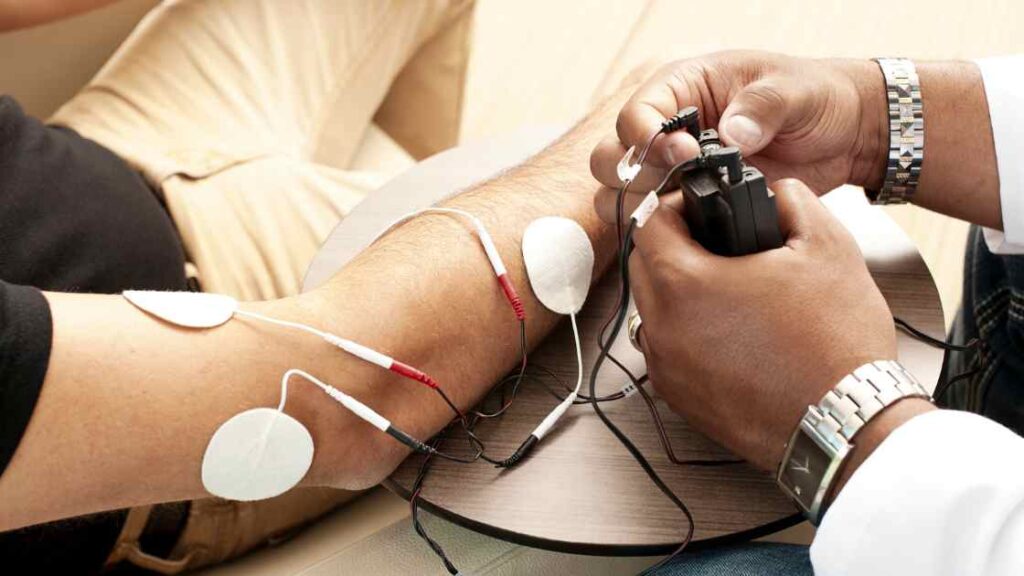
Physiotherapists use manual therapy techniques such as massage and manipulation to help reduce inflammation and muscle spasms. In addition, they may use medical devices such as ultrasound or electrotherapy for immediate pain relief. They may also recommend lifestyle changes or exercise plans to manage long-term conditions or prevent future injuries. Physiotherapy can help restore movement and improve the quality of life for people of all ages who are suffering from acute or chronic conditions.
Empowering Relief from Chronic Pain with PMP
Pain management physiotherapy is a specialised field of physiotherapy that focuses on helping people living with chronic pain or pain related to an injury. It involves a variety of treatments and exercises designed to help reduce the amount of pain that someone feels and manage their symptoms so they can live a healthy and active life. This type of physiotherapy may include strengthening exercises, soft tissue massage, manual therapy, specific exercises and more. The aim is to help reduce the intensity of pain and also help relieve it.
Pain management physiotherapy can also help those who have been dealing with pain due to an injury or accident by providing specific exercises that are tailored to their situation to improve strength, flexibility and range of motion. The physiotherapist will assess the area of injury and create a treatment plan tailored to the patient’s needs, such as heat, cold therapy, ultrasound, massage, manual techniques and exercise. While it may sound scary, physiotherapy does not necessarily hurt. Depending on the type of injury or condition being treated, the physiotherapist may use different techniques such as massage, stretching and exercises that can help alleviate pain while also helping build strength and flexibility. The physiotherapist will work with the patient to determine which methods work best for their individual needs and goals. With the help of their physiotherapist, many people with injuries or chronic pain can experience relief from their symptoms without any discomfort at all. Through regular visits to your physiotherapist, you can expect relief from pain with improved function and range of motion as well as improved posture and balance.
Navigating the Challenges of Chronic Pain: Understanding and Managing Symptoms
Chronic pain is a major health problem in the world today and is defined as any kind of pain that persists for longer than three months. This type of pain is different from acute pain, which is usually short-term and caused by injuries or illness. Pain messages are sent to the brain through nerves, which can be affected by chronic pain. Patients with chronic pain often struggle with their ability to perform certain activities, such as walking, due to the persistent discomfort they feel. Common types of chronic pain include back pain, joint pain, headaches and soft tissue pains such as fibromyalgia. The exact cause of chronic pain is difficult to diagnose but it could be due to nerve damage or an underlying medical condition. Pain signals are sent from the body's tissues to the brain where they are interpreted as being painful. In many cases, these signals keep coming even though there is no obvious cause for the discomfort. Chronic pain affects millions of people around the world and individuals must receive proper treatment so they can manage their symptoms effectively. Chronic pain differs from acute pain, which is usually triggered by a single event, such as an injury. Pain messages are sent to the nervous system when something injures soft tissue, such as muscles and ligaments. In patients with chronic pain, these pain signals continue to send even after the injury has healed. Back pain is one of the most common types of chronic pain, but it can affect any part of the body. Chronic pain can negatively impact a person's ability to perform certain activities and can lead to feelings of depression and anxiety. Living with chronic pain can be challenging, but there are treatments available that can help manage symptoms and provide relief.
The Importance of Pediatric Physical Therapy
Pediatric physical therapy is a type of physical therapy that focuses on the physical health and development of children, to help them reach their full potential. A pediatric physical therapist specialises in evaluating, diagnosing, and treating infants, children, and adolescents with a variety of conditions. These conditions can include musculoskeletal issues such as muscle strains or sprains; neurological conditions such as cerebral palsy; developmental delays; traumatic injuries; or sports-related injuries.
The physical therapist will then create an individualised plan to help the child reach his/her goals. This may involve therapeutic exercises to improve strength, balance, coordination, and posture; manual therapy techniques to reduce pain and improve range of motion; gait training to help the child walk more normally or safely; and education for the family about how to best support their child’s development. With these interventions, a pediatric physical therapist strives to maximize a child’s functional ability so that they can participate fully in their daily activities at school, at home, or in the community.
Evaluating Eligibility for Physiotherapy: Understanding the Different Types of Pain
To determine if you are eligible for physiotherapy, you should consult a qualified physiotherapist. Physiotherapy is a form of therapy used to help restore movement and function in your body. It is often used to manage pain, muscle weakness, and physical disability caused by injury or illness. A physiotherapist can assess your condition and provide advice on whether physiotherapy may be beneficial to you. They will also be able to explain how it works and the expected outcomes of treatment. Depending on your individual needs, the physiotherapist may recommend exercises, manual therapy, lifestyle modifications, or other treatments that can help improve your mobility and quality of life.
Acute pain is sudden and intense and typically lasts for a short duration of time, while chronic pain is persistent and has a longer duration. Acute pain usually signals an injury or illness and can range from mild to severe, while chronic pain is often the result of an underlying condition and can be constant or intermittent. Acute pain is often treated with over-the-counter medications such as ibuprofen, while chronic pain may require more specialized care such as physical therapy, massage therapy, and/or prescription medications. The source of acute pain can usually be pinpointed within minutes to hours of onset, whereas chronic pain may take weeks or months to diagnose since its source may not be easily identifiable. Additionally, acute pain generally resolves itself once the underlying issue has been addressed, whereas chronic pain requires ongoing management to control its effects on the body.
Physical Therapy Tools and Equipment
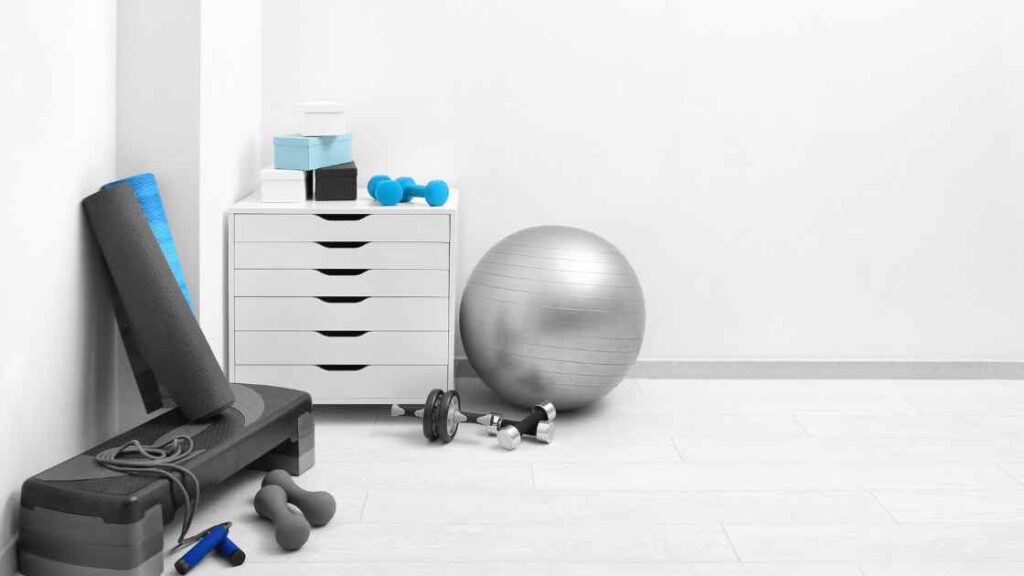
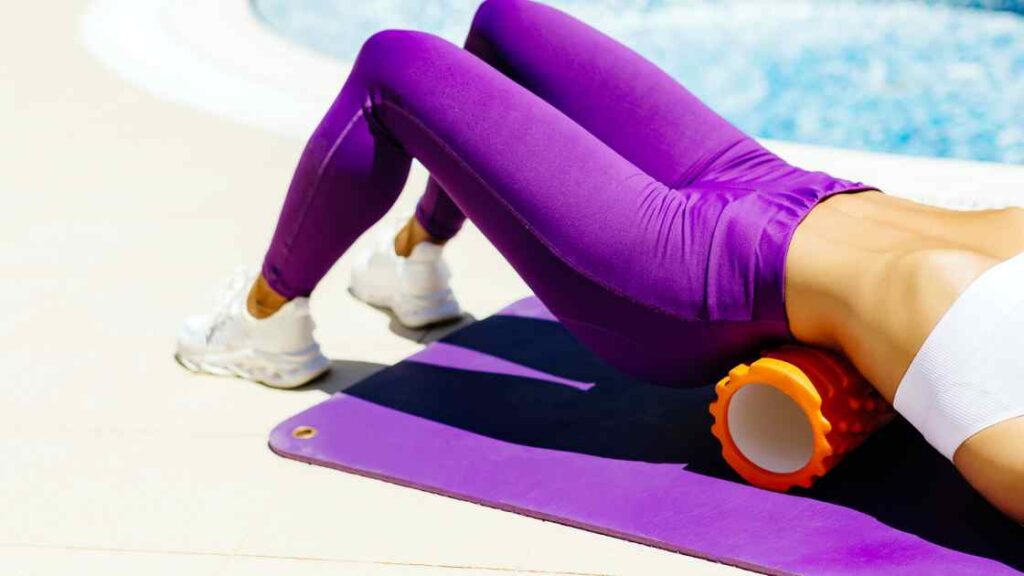
Physical therapists use various tools and equipment to help individuals regain their strength and range of motion. Active physical therapy involves exercises and activities to improve strength, flexibility, balance, coordination, posture and endurance. Some common physical therapy tools and equipment used by physical therapists include exercise balls, weights, foam rollers, resistance bands, treadmills, exercise mats, balance boards, upper body ergometers and more. These tools are designed to assist with improving the range of motion and strengthening muscles so that the patient can return to normal activities as quickly as possible.
Finding a physical therapist is an important step in getting the physical therapy you need. It’s important to find one who is experienced and knowledgeable in the type of therapy you need. Ask your doctor for recommendations or do some research online to learn more about different therapists in your area. You can also ask friends and family members who have used physical therapy before for their input on who they would recommend. Once you’ve found a few potential options, make sure to schedule an initial appointment to discuss what type of treatment is best for your needs. With the right physical therapist, you can be well on your way to feeling better faster!
Effective Techniques for Alleviating Lower Back Pain through Physiotherapy
Lower back pain can be debilitating, making even the simplest of everyday tasks difficult. The good news is that with proper posture, it's possible to alleviate some or all of your lower back pain. To ensure you're using the correct posture for your body, it's best to consult a physiotherapist. They will help you develop an exercise program tailored specifically for your body and needs. This may include stretches, strengthening exercises and lifestyle changes that can help improve your posture and reduce lower back pain. Additionally, they can provide guidance on the proper posture for activities such as sitting, standing and sleeping. With their help, you can find relief from lower back pain in no time!
Role of Physiotherapy in Injury Prevention and Rehabilitation
Physiotherapists teach patients how to properly use their bodies to prevent further injury or re-injury. They also provide guidance on proper posture and activity level as well as advice on lifestyle modifications that may help in recovery. Exercise is an important part of the rehabilitation process and physiotherapists are trained to provide individualised exercises that help enable people to move better, strengthen muscles and improve flexibility so they can return as quickly as possible to their activities of daily living.
Physiotherapy can also help reduce pain by using hands-on techniques such as massage or joint manipulation and providing education on how to manage pain through lifestyle changes. Ultimately, the goal of physiotherapy is to improve the quality of life for those suffering from physical impairments.
The human body is incredible, but it's also an intricate system. Without proper care, it can malfunction. Poor posture can result in back pain and decreased flexibility and mobility. Physiotherapy aimed at enhancing posture will assist you in maintaining an active and healthy lifestyle.
Long-term poor posture can lead to back pain and loss of flexibility and mobility
The human body is a marvel of nature, yet it is also a complex machine that requires proper care and attention. Poor posture can be a silent culprit, causing back pain and gradually diminishing flexibility and mobility. Left unchecked, it can lead to further complications such as shoulder pain and headaches.
But poor posture is not just a physical ailment, it also poses risks to our overall health. Studies have shown that poor posture is linked to chronic diseases such as heart disease and diabetes.
Thankfully, physiotherapy can provide a solution, by helping you realign your posture and regain balance, resulting in improved physical function and mental well-being. Don't let poor posture take a toll on your life and health, seek help from a physiotherapist today.
Physiotherapy aimed at improving posture will help you to stay active and healthy
It's important to understand that physiotherapy aimed at improving posture can help you stay active and healthy for longer. If you're struggling with pain or stiffness, it can be tempting to stop exercising and focus on rest instead. This is one of many reasons why physiotherapy is so valuable—it gives people the tools they need to continue living their lives while dealing with physical ailments.
In addition to increasing your overall health, continuing with physical activities will also improve your posture over time. Physical therapy exercises are specifically designed to help patients improve their body alignment and muscle flexibility so they can maintain better postures through everyday life. The best part? Most of these exercises are simple enough that you can do them right at home once you are adequately trained by the physios!
Physiotherapists can give you customised advice to improve your posture
If you're looking for a way to improve your posture, the first step is finding a physiotherapist. A physiotherapist will be able to assess your posture and give you customised advice or exercises to improve it. In some cases, they might also provide equipment like back braces and shoes that can help support good alignment while you're at home or at work. In addition to improving posture, physiotherapists can also help people prevent long-term problems like chronic back pain. Physiotherapists are trained to help patients with their posture, and they're good at it. They'll give you customised advice to improve your posture and prevent long-term problems like chronic back pain. If you've been experiencing any of the symptoms above, don't ignore them, call a physio today!
Conclusion
The most important thing to remember about posture is that it’s a lifelong process. Even if you go to a physiotherapist for help with your posture, it doesn’t mean that you can forget about it completely once you leave his or her office—you still need to do the work! But don’t be afraid: with some dedication and effort, you can improve your posture and prevent back pain before they even start.
If you have PCOS, or if you are a woman who has been diagnosed with Polycystic Ovary Syndrome, then this article will be helpful. The aches and pains that come from having PCOS can be managed using physiotherapy, which can help treat the symptoms of the condition. If you have any questions about how physiotherapy can help manage these symptoms, contact your local physio today!
PCOS is a condition in women that occurs when the hormones are out of balance.
Polycystic ovary syndrome is a condition that affects women's menstrual cycles and fertility. If you have PCOS, you may be infertile.
PCOS can affect a woman's fertility.
PCOS is a common cause of infertility in women. Women with PCOS often find it difficult to conceive and carry a pregnancy to term. The rate of miscarriage has increased, and the risk for birth defects is also higher for babies born to mothers with PCOS.
PCOS can cause a woman to gain weight and have trouble losing it.
PCOS can cause a woman to gain weight and have trouble losing it. If you have PCOS, you may be more likely to experience the following:
Weight gain (especially around your abdomen)
Difficulty losing weight
PCOS can cause hair growth on a woman's face, and hair loss on her head.
PCOS can cause hair growth on a woman's face, and hair loss on her head. Hair loss is not curable, but it can be treated with medication. Hair growth is also not curable, but it can be treated with medication.
PCOS can cause depression and anxiety.
Women with PCOS are at risk of developing depression and anxiety.
Depression and anxiety are common in women with PCOS. The symptoms can include:
Feeling down or sad a lot of the time
Trouble sleeping or sleeping too much
Losing interest in activities you used to enjoy
Physiotherapy can treat and manage PCOS.
Physiotherapy can help to manage the physical symptoms of PCOS. These include:
Infertility
Insulin resistance and the associated risk of developing type 2 diabetes
Metabolic syndrome (a combination of high blood pressure, central obesity and abnormal blood lipids)
Physiotherapy can also help to manage the emotional symptoms of PCOS. These include:
Anxiety and depression caused by low self-esteem, poor body image and difficulty coping with infertility. Physiotherapy provides a non-judgemental environment where you can talk openly about your experiences without fear of being judged or criticised for your appearance or lifestyle choices.
Physiotherapists treat musculoskeletal problems that may be caused or aggravated by PCOS.
A physiotherapist can help you manage the symptoms of PCOS.
Physiotherapists can help you stay healthy and maintain your weight.
A physiotherapist will teach you exercises to improve your strength and endurance, which may be necessary if you are experiencing fatigue or joint pain from PCOS.
Physiotherapists can teach women with polycystic ovary syndrome (PCOS) movement patterns and exercise that will help them to manage the symptoms.
This is a condition that affects one in ten women of reproductive age, causing irregular periods, weight gain, acne and excess hair growth. It’s not a disease but rather a group of symptoms. Physiotherapy can help you manage these issues by improving your posture and balance or by developing strategies to reduce stress levels or manage pain from other conditions such as irritable bowel syndrome (IBS).
Exercises for PCOS include:
Walking on your toes or heels to improve balance; this might be difficult at first but practising it regularly will improve your ability to stay upright longer without falling over while standing on one foot
Squats – this helps with strengthening muscles in the thighs which are important in preventing falls when using mobility aids such as walking sticks/frames etc; also it helps maintain healthy joints which are often affected by arthritis
Pilates - this involves using equipment such as resistance bands which will strengthen your core muscles; these need to be strong so that they support upper body movements when standing up straight without any support
Physical therapy (physiotherapy) can help to manage the physical symptoms of PCOS.
Physiotherapy is a safe and effective treatment for managing the physical symptoms of PCOS, such as weight gain, pain and depression.
Physical therapy can help you to manage the effects of PCOS by strengthening your abdominal muscles to maintain good posture, which in turn supports healthy blood flow throughout your body. This will also improve digestion and boost your energy levels.
Physical therapists are well versed in helping you manage pain associated with PCOS through techniques such as massage or gentle stretching exercises that are designed specifically for women with PCOS. If you're feeling depressed or anxious because of your condition, then a visit to a local physiotherapist may be just what you need! Some forms of exercise can be beneficial at improving moods while encouraging relaxation. A positive mindset plays an important role in managing PCOS symptoms; regular exercise can make us feel happier (and more productive) so it's worth giving it a try!
What are the symptoms of PCOS?
PCOS, or Polycystic Ovary Syndrome, is a condition that affects the ovaries and can lead to multiple health issues. It can also cause fertility problems and irregular menstrual periods. PCOS is caused by a hormonal imbalance in the body, typically involving higher levels of male hormones (androgens) than usual. Symptoms of PCOS include excess hair growth on the face, chest and back; acne; weight gain; thinning hair on the scalp; irregular or missed menstrual periods; difficulty getting pregnant; anxiety and depression; fatigue; and insulin resistance. Insulin resistance can lead to Type 2 diabetes if left untreated. Other symptoms may include pelvic pain, sleep apnea, and dark patches on the skin. If you think you have PCOS symptoms it’s important to talk to your doctor as soon as possible for proper diagnosis and treatment.
Exercise types to consider
When it comes to exercise types, women with PCOS should consider a variety of physical exercises. Moderate exercise, such as walking or swimming, can help to improve the symptoms of PCOS. Aerobic exercise is also beneficial and can include activities like running, cycling, or even dancing. For those looking for more vigorous exercise, HIIT (high intensity interval training) may be an option. Women with PCOS should pay attention to their bodies and avoid over-exerting themselves; consultation with a doctor or fitness professional is recommended. Ultimately, the best type of exercise for someone with PCOS will depend on their individual needs and goals. Even if these goals are simply to feel better overall, any amount of physical activity can be beneficial for women with PCOS.
What is Polycystic Ovary Syndrome
Polycystic Ovary Syndrome (PCOS) is a common condition that affects the ovaries of women. It is characterised by an imbalance of hormones, which can result in the formation of multiple cysts in the ovary. PCOS is one of the most common endocrine disorders and can cause a variety of symptoms such as irregular menstrual cycles, excessive hair growth, acne and obesity. In some cases, it can lead to infertility if left untreated. Treatment options for PCOS are often tailored to the individual patient’s needs and may include lifestyle changes such as diet and exercise, medications or even surgery. The exact cause of polycystic ovary syndrome is unknown but researchers believe it may be linked to genetics or environmental factors such as exposure to certain chemicals. It’s important for women to be aware of the symptoms associated with PCOS so that they can seek treatment if necessary.
Delivering Expert Physiotherapy Care For Fertility & Pregnancy Around The World
Physiotherapy is an important part of many fertility and pregnancy treatments. It can help to reduce the symptoms of conditions like PCOS (Polycystic Ovary Syndrome) and increase chances of successful conception. With expert physiotherapists now delivering care around the world, women have access to life-changing treatments for fertility and pregnancy. Physiotherapists are trained to provide a range of specialised treatments that can improve ovulation, promote healthy pregnancies, and reduce pain associated with PCOS and other conditions. By providing targeted exercises, massage therapy, lifestyle advice, and more, physiotherapists can make a real difference in women's reproductive health outcomes. In addition to treating existing conditions, physiotherapists can also offer preventative care to ensure women stay as healthy as possible during their pregnancy journey. Allowing access to this kind of expert care is critical for improving fertility and pregnancy outcomes across the world.
Women with polycystic ovary syndrome can benefit immensely from physiotherapy
The treatment of PCOS depends on the individual's symptoms and goals. For women who are trying to conceive, treatments may include medications such as clomiphene citrate or gonadotropins. These medications can help stimulate ovulation and increase the chances of pregnancy. Other treatments may include lifestyle changes such as losing weight, eating a balanced diet, exercising regularly, reducing stress levels, and quitting smoking. Birth control pills may also be prescribed to regulate hormones and reduce symptoms such as acne or excess hair growth. In some cases, medications such as metformin may be used to treat insulin resistance associated with PCOS. Surgery is rarely recommended for treating PCOS; however, in some cases it may be necessary for ovulation induction or removal of cysts on the ovaries. Ultimately, the best treatment regimen will vary from person to person depending on their individual needs and goals.
If you think you may have PCOS and are interested in finding out more, please do not hesitate to contact your doctor or ask them for advice. And if you want to manage PCOS with physiotherapy, don't forget to contact the Posture Clinic.
FREQUENTLY ASKED QUESTIONS
How is PCOS treated?
PCOS, or Polycystic Ovarian Syndrome, is a very common medical condition among women of all ages. Women with PCOS may experience symptoms such as irregular periods, excessive facial and body hair growth, acne, infertility, and obesity. Treatment for PCOS depends on the individual and can vary from lifestyle changes to medication. A healthy diet and regular exercise are key components of treating symptoms caused by PCOS. Women may also be prescribed medication such as birth control pills or metformin to regulate hormones and reduce symptoms. In cases where fertility is an issue, it may be necessary to take other medications to help promote ovulation. Lastly, cosmetic procedures like laser hair removal may be considered to help alleviate some of the physical effects caused by PCOS. It is important for women with PCOS to work with their doctor in order to find the best treatment plan for them.
What to eat to help PCOS?
If you have PCOS, it is important to pay attention to your diet and physical activity. Eating a healthy, balanced diet can help reduce symptoms such as insulin resistance and weight gain. Whole grains, fruits, vegetables, lean proteins and healthy fats are all important for a PCOS-friendly diet. Incorporating moderate exercise into your routine such as walking or cycling can also help manage symptoms of PCOS. Additionally, physiotherapy can be beneficial in helping to maintain an overall sense of wellbeing. Eating a nutritious diet combined with regular exercise and physiotherapy is an effective way to manage the symptoms of PCOS.
The Best Types of Exercise for PCOS?
Exercise is an important part of managing PCOS (polycystic ovarian syndrome). When it comes to the best types of exercise for PCOS, it really depends on the individual. Generally speaking, however, moderate-intensity aerobic activities such as walking, jogging, swimming or cycling can be beneficial. Additionally, resistance training exercises like weightlifting and bodyweight exercises are also recommended. It is important to keep in mind that exercising should not be done in isolation; a balanced diet and healthy lifestyle choices should also be incorporated into one’s routine when dealing with PCOS. Exercise helps increase insulin sensitivity and reduce symptoms associated with PCOS such as infertility, hirsutism and acne.
How does PCOS affect your body?
Polycystic Ovarian Syndrome (PCOS) is a condition that affects the body in many ways, primarily affecting how the hormones and metabolism interact. It is characterized by an imbalance of hormones, including insulin resistance and irregular ovulation. Women with PCOS may experience symptoms such as weight gain, acne, excess hair growth, fatigue, and infrequent or absent periods.
Exercise can be beneficial for those with PCOS; however, it’s important to choose the right type of exercise. Moderate aerobic exercise such as walking or cycling has been found to improve insulin sensitivity and reduce inflammation associated with PCOS. Strength training can also help regulate hormone levels and support weight loss goals.
PCOS is a complex condition that affects many women worldwide; however, it can be managed through lifestyle changes such as diet and exercise. Regular physical activity combined with a nutritious diet can help improve hormone balance and reduce symptoms associated with polycystic ovarian syndrome.
Does exercise manage PCOS?
Exercise is an important part of managing PCOS for women with this condition. PCOS is a hormonal disorder characterized by insulin resistance, and physical activity can help improve insulin sensitivity. Regular aerobic exercise is beneficial for people with PCOS as it helps to reduce the symptoms and increase overall health. However, it is important to consider the type of exercise being done as well as the intensity. Vigorous exercise may be too strenuous for women with PCOS, so mild-to-moderate intensity aerobic exercise is recommended. This type of physical activity should be done at least 30 minutes per day, 3–4 days per week. It is also important to note that vigorous intensity aerobic exercise may not be beneficial and could even worsen symptoms in some cases. Therefore, it is best to consult with a doctor before starting any physical exercise routine to determine the best type and amount of activity for your individual needs and situation.
Is there a diet for PCOS?
Diet and PCOS is an important topic when it comes to managing health for women with PCOS. Eating a balanced diet rich in fiber, healthy fats, and complex carbohydrates can help reduce symptoms like acne, weight gain, and insulin resistance. Additionally, reducing sugar intake can help control PCOS-related hormones. On the other hand, some diets may not be beneficial for women with PCOS. Low-carb diets can increase the risk of developing diabetes and low-fat diets may not provide enough essential fatty acids. It is important to speak with a healthcare professional or nutritionist to determine which dietary guidelines are best for each individual's unique needs. Taking the steps to create a nutritional plan tailored towards your specific condition can help manage symptoms of PCOS more effectively.
Does acupuncture manage PCOS?
Acupuncture can be an effective treatment for women with PCOS. It helps regulate hormones that are often imbalanced in those with PCOS. This includes hormones produced by the ovary, which can help restore regular ovulation and menstrual cycles. Acupuncture may also reduce insulin resistance, a risk factor for PCOS, as well as improve symptoms such as excessive hair growth and acne. In combination with diet and exercise, acupuncture can be a great way to manage the symptoms of PCOS. It is important to remember that acupuncture is not a substitute for medical treatment but rather should be used in conjunction with other therapies prescribed by your doctor to maximize its health benefits.
Can PCOS be cured by physiotherapy?
Physiotherapy is not a direct cure for PCOS (polycystic ovary syndrome). However, it can be used as an adjuvant therapy in the management of this condition. Physiotherapists can apply different methods to help people with PCOS manage their symptoms. For example, they may develop exercise programs that are tailored to the individual's needs and lifestyle. In addition, physiotherapists can assist with lifestyle modifications such as healthy diet and stress management. These interventions can improve physical functioning and quality of life in patients with PCOS. While there is no cure for PCOS, physiotherapy can play an important role in helping patients manage their symptoms and improve their overall health and well-being.
Which exercise is best for PCOS?
Exercise is one of the most important lifestyle changes to manage PCOS. It helps to regulate hormones and reduce insulin resistance, which is a major factor in PCOS. The best type of exercise for PCOS is moderate-intensity aerobic exercise such as walking, jogging, swimming, biking, or dancing. Strength training with light weights is also beneficial. High-intensity interval training (HIIT) can help you burn more calories in a short amount of time and improve body composition. Additionally, yoga and tai chi are useful for relieving stress and improving balance. Overall, it's important to find an exercise routine that works for you and stick to it consistently for optimal results when managing PCOS symptoms.
When to take PT when you have PCOS?
When deciding when to take PT when you have PCOS, it is important to consider your lifestyle and medical history. It is recommended that those with PCOS who are physically active should aim to exercise at least three times a week for 30 minutes or more each session. Regular physical activity can reduce insulin resistance, improve metabolic profile and help manage weight, all of which can be beneficial for those with PCOS. Low-impact activities like walking, swimming, biking or yoga can be especially beneficial as they are less stressful on the body. Additionally, if recommended by a doctor, a high-intensity interval training (HIIT) program may also be beneficial for improving metabolic health in those with PCOS. In any case, it is important to consult your doctor before beginning any new physical activity regimen so that you can discuss the best plan for your individual needs and goals.
Which exercise is best for PCOS weight loss?
Exercising is an effective way to lose weight for those with PCOS. A combination of cardio and strength training is best for individuals with PCOS who are trying to lose weight. Cardio exercises such as running, cycling, swimming, or walking can help burn calories and increase your heart rate. Strength training such as lifting weights or using resistance bands can help build muscle mass, which in turn helps boost metabolism and burn more calories throughout the day. Additionally, yoga and Pilates can be beneficial for lowering stress levels that may be associated with PCOS. It’s important to choose exercises that you enjoy so that you are more likely to stick with them over time. Finally, it’s important to talk to a doctor before starting any new exercise routine in order to ensure that it’s safe for you given your current health situation.
What is the best time to exercise for PCOS?
Exercising for PCOS is an important part of managing the condition and can help to reduce symptoms. The best time to exercise for PCOS depends on the individual, however, it is generally recommended to exercise at least three times a week. For those who suffer from fatigue due to PCOS, exercising in the morning may be best as it can help with energy levels throughout the day. Additionally, exercising in the morning can help set a positive mood for the rest of your day. Alternatively, if you find that you have more energy later in the day or evening, then this may be a better time to exercise. It is important to listen to your body and find what works best for you. Try different times of day and see which time works best for you while still staying consistent with your workouts.
Should I exercise everyday with PCOS?
Exercising every day is a great way to stay healthy and manage PCOS symptoms. Doing cardio and strength training can help reduce insulin levels, control blood sugar, and reduce inflammation. Exercise can also help reduce stress levels, which is important for people with PCOS who are at a higher risk of anxiety and depression. Additionally, exercise can help improve sleep quality, which is important for balancing hormones. Lastly, regular physical activity helps to regulate weight by burning fat and building muscle mass. With all these benefits in mind, it's clear that exercising every day with PCOS is a beneficial practice. However, it's important to consult with your doctor before starting any exercise program to make sure the routine is tailored to your specific needs and abilities.
How do I start exercising with PCOS?
Starting an exercise routine with PCOS can be intimidating. But, it’s important to remember that regular physical activity can help manage symptoms and improve overall health. To get started, talk to your healthcare provider about what type of exercises are best for you and create a plan that works for you. You may find that low-impact activities like walking, swimming, or yoga are easier on your body than running or other high-intensity activities. Make sure you start slowly; even 10 minutes a day of light exercise is better than nothing. As you become more comfortable, gradually increase the intensity and duration of your workouts. Additionally, stay hydrated and listen to your body - if something hurts too much or doesn’t feel right, stop immediately. Exercise can be challenging but it is also rewarding; keep at it and soon enough you will be feeling the benefits!
When should I take a pregnancy test if I have PCOS?
If you have PCOS, it is important to know when the best time is to take a pregnancy test. Generally, it is recommended that if you are experiencing any signs or symptoms of pregnancy, such as missed periods, fatigue, nausea, and breast tenderness, then it is advisable to take a pregnancy test. If these signs and symptoms are not present but you have been engaging in unprotected sex, then it is best to wait at least two weeks before taking the pregnancy test. This will give your body enough time to produce hCG (Human Chorionic Gonadotropin), which is the hormone that a pregnancy test looks for when determining whether or not you are pregnant. Additionally, if you are on certain medications used for treating PCOS symptoms like clomiphene or metformin, it can interfere with your results and cause false positives or negatives. Therefore, it is best to stop taking these medications at least two weeks before taking a pregnancy test in order to get an accurate result.
Which therapy is best for PCOS?
When it comes to choosing a therapy for PCOS, the best approach is to find one that addresses the underlying cause of the condition. Hormonal therapies, such as birth control pills and anti-androgen drugs, can be effective in regulating hormones and improving symptoms. Nutritional and lifestyle modifications are also essential for managing PCOS. Eating a well-balanced diet, exercising regularly, getting enough sleep, and reducing stress can help improve overall health and reduce some of the symptoms associated with PCOS. Additionally, supplements or herbal remedies may be recommended. Ultimately, it’s important to find a treatment plan that works best for you and discuss all your options with your healthcare provider before deciding on a course of action.
Can yoga cure PCOS permanently?
Yoga is a practice that has been used for centuries to improve physical and mental health. It has been touted as a potential cure for many different ailments, including PCOS. While it cannot cure the condition permanently, it can certainly be beneficial in managing symptoms. Research has shown that yoga can reduce stress and anxiety, balance hormones, and improve circulation. This can all help regulate menstrual cycles, reduce infertility risks, and lessen the severity of other common PCOS symptoms. Additionally, various poses help strengthen abdominal muscles which can help with insulin sensitivity and reduce the risk of developing type 2 diabetes. Thus, while yoga is not a permanent cure for PCOS, its benefits are undeniable and can be an integral part of any treatment plan for those suffering from this condition.
Is massage good for PCOS?
Massage can be a great way to help manage PCOS symptoms. Massages can reduce stress levels, which is important for those with PCOS since stress has been linked to an increase in the severity of symptoms. Additionally, massage can help improve circulation, which helps with hormone regulation and can reduce inflammation associated with PCOS. Massage also improves lymphatic drainage and can reduce pain associated with ovarian cysts. Furthermore, massage has been found to have a positive effect on mood and mental health, which is beneficial for those dealing with the psychological impact of PCOS. In conclusion, massage can be a valuable tool in managing the physical and mental symptoms of PCOS.
Can physiotherapy help balancing hormones?
Physiotherapy is a great way of helping to balance hormones in the body. By engaging in regular physical activity, such as stretching, strengthening and aerobic exercise, physiotherapy can help to regulate hormones and improve overall health. Physiotherapists can also provide advice on lifestyle choices that can help to reduce stress levels and maintain hormonal balance. Additionally, they may use techniques such as massage therapy or acupuncture to help relax tense muscles, improve circulation and reduce inflammation which can all contribute to hormone regulation. Finally, physiotherapists are able to recommend treatments such as yoga or meditation which may be helpful in reducing stress levels and improving overall mental health leading to better hormonal balance.
Here's the ultimate guide to posture correctors and posture correction in India.
As a posture correction and physiotherapy clinic, we get to see the most interesting and weirdest things. One such thing is a kind of device known as a posture corrector. This is usually a piece of fabric or plastic worn around the shoulders and back that's supposed to help improve your posture by pulling you into an upright position. The problem with this idea is that there's absolutely no evidence that they actually work! In fact, they might even make things worse by causing muscle tension and strain—which can lead to more pain or injury than you started with in the first place.
You might have seen people at the gym or yoga class wearing a curved fabric band around their shoulders and back, and wondered what it was. The answer is that they're wearing a posture corrector strapping system.
These devices are designed to help people with poor posture by pulling their shoulders back into alignment and holding them there. So why don't we all just wear these things every day? Well, for starters, it's important to remember that being conscious of your posture doesn't necessarily mean you need something that will physically force your body into position. In fact:
There's no scientific evidence showing that posture correctors actually work
It's possible they could make matters worse by interfering with the natural movement of muscles in the shoulder area
Or you've heard about posture correctors but don't know how they work.
You've probably heard about posture correctors but don't really know how they work. Or, perhaps you have tried using one in the past and found it to be completely ineffective.
If this is the case, you're not alone! The truth is that most of us are guilty of thinking that a posture corrector will work wonders on our poor posture—and while there's no doubt that these garments can help some people, they aren't all they're cracked up to be.
Let's talk about what goes into making a good postural alignment device so we can understand why they’re not right for everyone!
As you can probably guess by the name, posture correctors are supposed to help straighten out your spine and improve your posture.
As you can probably guess by the name, posture correctors are supposed to help straighten out your spine and improve your posture. They're a form of corset that's made from curved pieces of fabric that are wrapped around your body and designed to provide support to your back. Posture correctors are used by people who have a history or tendency towards poor posture—and, depending on how severe their condition is, they might need one for as long as they live.
However, it's important to remember that even though these devices seem like they'd be helpful in improving someone's physical health, they don't actually do much at all! In fact, when tested against other methods of treating poor posture such as physiotherapy and surgery (which can cost thousands), studies have shown that there is no significant difference between using these devices outside the home versus not wearing them at all.
However, posture correctors do not actually improve your posture
While it may seem like a good idea to use a posture corrector to improve your appearance, the truth is that there are no proven advantages. If you're wearing one incorrectly and experiencing pain in your back or neck, you may actually be doing more harm than good.
Posture correctors come in a variety of designs and styles. Some are designed for children; others are designed for men or women. Some are made from elastic materials that allow them to stretch as much as possible while still holding their shape; others are made from stiffer materials with less give to maintain their form better over time. But what they all have in common is that when worn correctly (and we’ll get into just how “correctly” means “incorrectly” later), they place pressure on certain areas of your body that can cause injury or discomfort over time if used frequently enough. And even if they are used, you need proper guidance from an experienced professional. They know how best these devices work on different bodies, depending upon their size, shape, age, and so on.
If you think use of a corset-like device will fix your posture and help you avoid back pain, think again
If you've ever tried to improve your posture with a device like an incorrectly-named posture corrector, you may have been sorely disappointed. Whether it's called a corset or not, these devices cannot fix your slouched shoulders or rounded back by themselves.
In fact, the only thing that can make any difference in your posture is if you work on it every day with specific exercises designed to strengthen and lengthen muscles throughout the entire body. If you're interested in improving your posture without wearing uncomfortable contraptions all day long, here are some tips:
Try yoga classes where they focus on strengthening the core and stretching out tight muscles so they'll be able to do their job better (the core is essential for good posture). The best part is that most yoga classes also include meditation time at the end—so not only will you get stronger physically but mentally as well!
Do some Pilates exercises if working out alone isn't doing anything for you. Pilates emphasises core strength and lengthening muscles rather than building bulkier muscle groups. This means less strain on joints which can lead to injury down the road when things start getting older/worse as you age.
Conclusion
In conclusion, it is not recommended that you purchase a posture corrector. If you want to improve your posture, there are other methods that are more effective and reliable. For example, using an anti-gravity machine such as the Inversion Table or hanging upside down from an overhead bar with your feet stationary on the ground will help strengthen your muscles and improve your balance. It's important to have good balance because it helps prevent injuries from happening in everyday activities like walking around town or playing sports outdoors!
FREQUENTLY ASKED QUESTIONS
Is there any alternative to a posture corrector or brace?
While there are a number of products on the market that claim to improve your posture, most of them don’t offer the same level of support as a posture corrector. Foam rollers and yoga mats can help you stretch and strengthen the muscles in your back and shoulders, but they won’t do much to help with your posture if you’re already hunched over from years of bad habits.
The best way to improve your posture is to focus on strengthening the muscles in your upper back and spine. This will help you sit and stand taller, and it will also reduce the strain on your lower back and shoulders. If you have trouble keeping good posture throughout the day, there are a number of stretches you need to do on a consistent basis.
Why does good posture matter?
Good posture matters for many reasons. Poor posture can lead to pain in the lower back and spine, and can even contribute to headaches. Wearing a posture corrector or brace can temporarily help with these issues by providing support for the key areas of the upper back and shoulders. We only recommend for those who are injured or have no way to fixing their posture with stretches in the beginning stage. But for permanent results, sitting up straight, using proper ergonomics, and doing the right kind of stretches will be the only ways to keep your spine in its optimal alignment and provide the most support possible.
What is a posture brace? Is it the same thing as a posture corrector or something else?
A posture brace is a device that helps to improve your posture by holding your shoulders and spine in alignment. It is different from a posture corrector in that it does not have straps that go around your back or under your arms. The braces are often made of neoprene or other breathable materials and can be worn during activities such as working at a computer or driving.
Can posture correctors improve my height?
Wearing a posture corrector can help you to stand taller and sit up straighter, which can lead to better posture habits overall. However, it has to be done only on a physiotherapist's advice. And none of the braces or posture correctors should be worn for extended periods.
Best posture correctors for the home and office
There are a number of posture correctors on the market, but not all are created equal. The best posture correctors are adjustable, lightweight, and comfortable to wear. They provide support for the back and shoulders, and help to align the spine and correct posture. This can help to relieve back pain, shoulder pain, and upper back pain. The best posture correctors on the market are made of foam or lightweight materials, and are easy to adjust. They can be worn for extended periods of time, and are comfortable to wear. When choosing a posture corrector, be sure to select one that is the right size and weight for you. At Posture Clinic, we only recommend them for injured or post surgical cases. For everyone else, the best way to fix bad posture is exercise.
Back Braces
A back brace is a device that is worn to support the back and relieve pain. There are many different types of back braces available, and they are made from different materials. The most common type of back brace is made from metal and plastic. Back braces are often used to treat back pain. They can be used to support the spine and relieve pressure on the spinal cord. Back braces are also sometimes used to prevent further injury to the spine. Back braces are not recommended for everyone. Some people may find that their back pain improves without a brace. Others may find that a back brace makes their pain worse. It is important to talk to your doctor about whether or not a back brace is right for you.
Best posture correctors for seniors
As we age, our spine begins to atrophy and our muscles weaken. This can lead to a number of problems, including back pain, poor circulation, and difficulty breathing. There are a number of different posture correctors on the market, but not all are created equal. To find the best posture corrector for seniors, look for one that is adjustable, lightweight, and comfortable to wear. You may also want to choose a model with built-in vibration technology to help relieve back pain and improve circulation. However, it's best to get the opinion of a physiotherapist on the best way to counter your body pain. Most times, you don't need a posture corrector at all. Just regular exercises should do.
The importance of good posture
Good posture is important for several reasons. Poor posture can lead to pain in the shoulders, neck and spine. It can also cause headaches.
More ways to improve posture
A posture corrector can be worn to help with alignment, and exercises recommended by a doctor or physical therapist can help strengthen the muscles that support the spine. Improving posture during daily activities, such as when sitting or standing, can also help reduce pain and improve spinal alignment. However, a posture corrector is only a temporary measure; only exercises can give you long-term results.
Which posture corrector is the best in India?
There are many posture correctors available in the market, but it is difficult to say which one is the best. It depends on the person's needs and preferences. Some people may prefer a posture corrector that is more comfortable to wear, while others may prefer one that is more affordable. There are also posture correctors that come with different features, such as adjustable straps or padding. At Posture Clinic, we only recommend braces and posture correctors for those who are injured, infirm, or battling post surgical pain. For everyone else, it's exercise, exercise, exercise.
What doctor should I see for posture correction?
There are a few different types of doctors that can help with posture correction. A physiotherapist is the best option for many people, as they focus on the spine and musculoskeletal system. They can help to realign the spine and reduce pain in the muscles and joints. An orthopedist is another type of doctor that can help with posture correction. They focus on bones, joints, and muscles. They can provide exercises and stretches to help improve posture, as well as splints or other devices to support the body.
Is a posture corrector a good idea?
While posture correctors can be helpful in improving your posture, it is important to consult with a healthcare professional before using one. This is because some posture correctors can actually do more harm than good if they are not used correctly.
How can I correct my posture?
Your posture is the position in which you hold your body upright against gravity. Poor posture can lead to muscle strain, pain and fatigue. To improve your posture, start by standing up straight. Pull your shoulders back and down, and tuck your chin in slightly. Then, engage your core muscles by contracting your abdominal muscles and slightly tilting your pelvis upward. Finally, make sure you are balanced by placing your feet hip-width apart.
How much does it take to fix your posture?
How much does it take to fix your posture? It really depends on the person and how severe their posture issue is. For some, they may just need to be more aware of their posture throughout the day and make a conscious effort to stand up straight. Others may need to do some specific exercises or stretches to help improve their posture. And for those with more serious issues, they may need to seek out professional help. So, it really varies from person to person.
Can you correct years of bad posture?
Yes, you can correct years of bad posture. It may take some time and effort, but it is possible. There are a few things you can do to help improve your posture. First, be aware of your posture and try to stand up straight. Second, strengthen your back and stomach muscles by doing exercises like sit-ups and push-ups. Third, try to avoid activities that put strain on your back, such as lifting heavy objects or sitting in one position for too long. With a little bit of effort, you can improve your posture and reduce the risk of developing back problems in the future. A physiotherapist is the best person to guide you on this journey to a pain-free life.
Is correcting posture painful?
No, correcting posture is not painful. It may be uncomfortable at first, but it should not be painful. If you experience pain when correcting your posture, it is important to consult a doctor or physical therapist to find the cause of the pain. There are many possible causes of pain with posture, so it is important to get a professional opinion. Remember, when you are in pain, you should avoid any kind of exercises. Just visit a physiotherapist for the best guidance at this crucial juncture.
Can doctors fix posture?
Yes, doctors can fix posture. There are a few ways to do this, but the most common is to prescribe a physical therapy regimen. This will help to strengthen the muscles that support the spine and correct the alignment of the spine. In some cases, surgery may be necessary to correct the posture.
Do posture correctors actually work?
There are a lot of people out there who swear by posture correctors, and there are just as many people who think they're nothing more than a gimmick. So, do posture correctors actually work? There is some scientific evidence that suggests posture correctors can be effective in improving your posture. One study found that participants who wore a posture corrector for four weeks had significantly better posture than those who didn't wear one.
However, it's important to keep in mind that posture correctors are not a cure-all for bad posture. They can help you improve your posture and become more aware of your body positioning, but they won't magically fix everything. If you're considering wearing a posture corrector, talk to your doctor or physical therapist first to see if it's right for you.
Is it bad to wear a posture corrector all day?
There isn't a definitive answer to this question as it depends on the individual. Some people may find that wearing a posture corrector all day is beneficial for their posture and helps to alleviate pain, while others may find it uncomfortable and restrictive. Ultimately, it is up to the person to decide whether or not they want to wear a posture corrector all day. If you are considering doing so, it is important to consult with a doctor or physical therapist to ensure that it is the right decision for you.
Should I go to the doctor for bad posture?
If you're experiencing pain in your back or neck, it's best to see an orthopaedist or physiotherapist. They can determine if your posture is the cause and offer solutions to improve it. In some cases, bad posture is caused by an underlying medical condition that will need to be treated. Left untreated, poor posture can lead to long-term problems such as joint pain, muscle tension, and headaches.
Who treats poor posture?
Chiropractors, osteopaths and physiotherapists all assess and manage posture. The approach to managing poor posture will depend on the health professional you see, but may involve manual therapies, exercises and education on how to improve your posture.
How to gain height with posture correction
There are a number of things you can do to improve your posture and gain height. First, be aware of your posture and try to stand up straight. Second, exercise regularly to strengthen the muscles that support your spine. Third, wear shoes that support your feet and help you maintain good alignment. Fourth, see a physiotherapist or other healthcare provider for regular adjustments. Finally, use props such as a standing desk or yoga block to help you maintain good posture throughout the day.
How long does posture correction take?
It really depends on the person. For some, it may only take a few weeks to see significant improvements. For others, it may take several months. And for some people, it may take even longer. The key is to be consistent with your posture correction exercises and stretches.
What happens if I do not correct my posture?
If you do not correct your posture, you may experience pain in your back, neck, and shoulders. You may also have difficulty breathing, and your overall health may suffer. Poor posture can lead to a number of health problems, so it is important to correct it as soon as possible. Remember, there are 150 musculoskeletal problems caused by poor posture.
Physiotherapists focus on how the body moves and functions through physiotherapy. They use their clinical skills and knowledge of psychology to assess patients and treat or reduce the risk of physical and cognitive disorders that impede a person's ability to perform regular daily activities.
Physiotherapy focuses on maximising quality of life and functional movement potential, working with the physical, psychological and emotional aspects as well. Physiotherapists help people overcome problems caused by disease or disabilities to improve their mobility and quality of life.
What is physiotherapy?
Physiotherapy (also Physical Therapy) is a healthcare profession concerned with human function and movement and its relationship to health.
Physiotherapy aims to treat, prevent and assist in the rehabilitation of injuries or disabilities through examination, diagnosis and treatment. The physiotherapist works closely with patients who have experienced sports injuries, orthopaedic conditions or neurological disorders, such as stroke or multiple sclerosis, helping them regain function after an injury or illness occurs. Physiotherapists also work in private practice treating non-medical problems such as musculoskeletal issues caused by repetitive strain injury (RSI), pain management for those suffering from chronic back pain, and so on.
Physiotherapists trained in the effects of disease and injury assess patients to diagnose disorders that limit people's ability to move and perform physical activity. They treat such conditions by developing an individualised plan based on each patient's specific needs.
The Assessment
You’re in a lot of pain, and your doctor has referred you to see a physiotherapist. The physiotherapist will assess your symptoms, ask you questions about what happened and how it happened and then decide on the best way forward to help manage your pain.
Physical therapy is concerned with identifying and maximising quality of life and functional movement potential within the spheres of promotion, prevention, treatment/intervention, habilitation and rehabilitation. This encompasses physical, psychological, emotional, social or spiritual aspects.
Physiotherapists help people overcome problems caused by disease or disabilities to improve mobility, function and quality of life. They use a wide range of techniques to do this including exercise, massage, manipulation (joints), hydrotherapy (swimming pool therapy), electrotherapy, and so on. Physiotherapists work in many different settings, such as hospitals, private practice clinics, and community health centres, among others.
Who Are Physiotherapists?
Physiotherapists help people overcome problems caused by disease or disabilities to improve mobility, function and quality of life. They are highly trained professionals who use a variety of techniques to help people recover from injury or disease. The treatments they provide vary depending on the individual, but can include:
Osteopathy — using manipulation and massage to relieve pain in joints and muscles
Exercise therapy — using exercises to improve strength, mobility, endurance and balance
Massage therapy — applying pressure to specific areas of the body with different hand movements
Electrical muscle stimulation (EMS) — using short electrical pulses to stimulate muscles
Traction — using gravity and weight to improve the flexibility and range of motion of your joints.
Proprioceptive Neuromuscular Facilitation (PNF) — using a stretching exercise that involves muscle spasms. You do this by contracting your muscles, then relaxing them, and then repeating the process over and over again.
When Should You See a Physiotherapist?
If you are experiencing pain or discomfort, you should visit one for diagnosis and treatment. If you are recovering from an injury, surgery or other procedures, you should see a physio before returning to your regular activities. Physiotherapists can also help patients with chronic conditions, such as arthritis or asthma. Finally, if you want to improve your general health and fitness levels but aren't sure which exercises will work best for you, visiting a physio may be helpful!
What can I expect at a physiotherapy clinic?
The first visit to your physiotherapist is an important one. It’s the time when you can expect to learn more about your condition and how it might be treated, as well as what to expect from the treatment itself. The physiotherapist will start by taking a detailed history of your problem, including information such as:
The type of pain you experience (for example, acute or chronic)
How long you have been experiencing the pain
Any other symptoms or complications related to your injury
From this initial discussion, the physiotherapist will be able to formulate an appropriate diagnosis for you and decide if further tests are necessary. If so, these may include X-rays and blood tests. Once these initial investigations have been completed, treatment can begin!
What Does a Physiotherapist Do?
A physiotherapist is a health professional who specialises in the treatment of movement, function and performance relating to your body's structure and activity. They may also work with the respiratory system (which includes the lungs) and their disorders. Physiotherapists can help with any type of problem including back pain, arthritis and sports injuries. They can work in a variety of settings including hospitals, private clinics and community health centres. They may treat patients following surgery or accident injuries as well as those with long-term conditions like diabetes mellitus or chronic pain due to cancer treatment such as chemotherapy drugs.
What Conditions Do Physiotherapists Treat?
Musculoskeletal injuries: Physios help people recover from all kinds of musculoskeletal injuries, such as sprains and strains, tendonitis, and spinal problems.
Arthritis: Physiotherapists can help treat osteoarthritis by teaching you exercises that improve mobility and reduce pain.
Back pain: If you're suffering from chronic back pain (that's been going on for more than 12 weeks), a physiotherapist may be able to help you manage your symptoms so they don't get worse. They'll recommend exercises that strengthen your core muscles and improve posture, balance, coordination and flexibility—all things that can make a big difference in how much pain you're in when standing up or bending over in the shower.
Carpal tunnel syndrome: A condition caused by swelling inside the wrist leading to numbness or tingling sensations in the fingers is called carpal tunnel syndrome. It's common among people who type long hours at their jobs (like journalists).
Fractures: A physiotherapist can guide what kind of splinting or casting you need after breaking a bone—and once those have been removed after healing has occurred!
What is paediatric physical therapy?
Paediatric physical therapy is a branch of physical therapy that focuses on the treatment of children and adolescents with physical disabilities. The goals of paediatric physical therapy are to improve mobility, reduce pain and increase function. The focus is on specific exercises as well as education for parents and patients.
What is Physiotherapy at Home?
Physiotherapy at home offers all the benefits of a clinic at your residence. Home physiotherapy is a great option for patients who are unable to travel to the clinic. The service can be provided by either a physiotherapist or a trained and qualified health professional in your community. This form of physiotherapy is slightly more expensive than clinic visits but allows you more flexibility with your schedule.
What Are the Benefits of Physiotherapy at Home?
Here's a list of some of the awesome things about doing physiotherapy at home:
You can do it whenever you want and whenever your body is ready. You don't have to worry about getting in and out of appointments or missing work because you were unable to get an appointment on the same day as your injury.
There are no awkward interactions with other patients when you're recovering from an injury at home. You can just focus on healing!
Reasons to See a Physiotherapist
To rehabilitate after surgery or an injury
To prevent injury by working with a physiotherapist to develop or improve your movement patterns and strength.
To prevent falls and improve your balance, coordination and reaction time. This is especially important if you're over 60 years of age.
Because it's part of a healthy lifestyle—physiotherapy is often used in conjunction with other treatments such as massage therapy, acupuncture or osteopathy for people who want to improve their quality of life through better physical function.
Women’s Health-Related Physiotherapy
Women’s health-related Physiotherapy is one of the fastest-growing specialities in physical therapy. Physiotherapists who specialise in women's health are specially trained to help women with a variety of conditions including:
Menstrual disorders
Urinary incontinence (UI)
Sexual dysfunction
Pelvic pain and sexual dysfunction related to gynaecological surgery or cancer treatment Postpartum depression (PPD) and anxiety disorders
Geriatric Physiotherapy
The role of the physiotherapist is to help their aging patients recover and rehabilitate from injuries and illnesses. Geriatric Physiotherapy can be used in many settings, including hospitals, rehabilitation clinics, private practices, schools and sports teams.
Physiotherapists are highly trained professionals who specialise in physical therapy: they treat injuries using manual therapy (the manipulation or mobilisation of a joint), exercise rehabilitation or other therapeutic interventions such as ultrasound or electrical stimulation.
There are two main types of physiotherapists: orthopaedic and non-orthopaedic (also known as general). Orthopaedic practitioners treat musculoskeletal conditions through manual therapy for pain management; non-orthopaedic practitioners focus on general health care rather than one specific body system like bones & joints.
Neurological Physiotherapy
Neurological physiotherapy is a branch of physiotherapy that specialises in the treatment of neurological disorders and injuries. Neurological physiotherapists use manual therapy techniques, such as massage and joint mobilisation, to reduce pain and improve mobility in patients with neurological disorders or injuries. These techniques can be applied directly to the affected muscle(s), or indirectly by modifying factors that influence their functioning (e.g., posture). The goal is to restore optimal function and prevent further disability by restoring movement patterns on both sides of an injury so that full strength can be restored quickly after an injury occurs
Musculoskeletal Physiotherapy
Musculoskeletal physiotherapy is a branch of physiotherapy that specialises in treating people with musculoskeletal disorders and injuries. Musculoskeletal physiotherapists provide hands-on treatment to help improve mobility, function and quality of life. They also work with patients to prevent future problems from developing.
Cardiorespiratory physiotherapy is a type of physiotherapy that deals with the heart and lungs. The cardiopulmonary system includes these parts:
Heart (blood circulation)
Lungs (respiration)
Blood vessels (transportation of blood)
The Cardiopulmonary system is responsible for the transportation of oxygen and nutrients to the cells, as well as the removal of waste products. The cardiopulmonary physiotherapist will assess your condition and determine which type of treatment is best suited for your needs. This can include: Breathing exercises (respiratory), Resistance training (cardiovascular), and Muscle strengthening exercises.
Physiotherapy is a treatment that helps you regain the strength, movement and function of your body. It is often used to treat people who have had an injury or illness, but it can also be used to prevent injuries. Physiotherapists work with patients to help them improve their condition through exercise and gentle mobilisation techniques. A physiotherapist may also advise on how best to manage pain caused by an injury or condition. They may recommend certain activities or rest until the pain subsides before resuming normal activities again. Physiotherapy can be used to treat a wide range of conditions, including back pain and neck pain, headaches, dizziness and migraines, sports injuries, muscle strains or sprains.
Sports-Related Physiotherapy
Sports-related physiotherapy is a branch of physiotherapy that focuses on the diagnosis and treatment of injuries sustained by athletes. It is one of the most highly specialised areas within physiotherapy, with professionals who are specifically trained to treat sports-related injuries.
Sports-related physiotherapists work with athletes both before and after their sporting event, helping them recover from their injury in time for their next match or workout. They may also help educate athletes on how to prevent further injury from occurring through stretching programs, exercises and other techniques.
A sports-related injury can be anything from a strained muscle to a broken bone. The severity of the condition will determine how long it takes for an athlete to recover and return to their sport, but in some cases, physiotherapy is not enough and surgery may be required.
Benefits of Physical Therapy
Physiotherapy is a medical speciality that uses physical methods to treat patients with neuromusculoskeletal issues and suffering from postural collapses. Physiotherapy can help people suffering from various health-related problems like joint pain, back pain, muscle spasms, nerve and spinal cord injuries etc., by applying various therapeutic approaches, such as manual therapy (massage), electrotherapy (TENS), hydrotherapy (water therapy), and so on. Physiotherapists also help companies buy the right kind of ergonomic equipment for their staff to keep the right posture. Ergonomics in physiotherapy is just as important in this paramedical field.
Physiotherapists work under the supervision of doctors who refer patients for their treatment. Physiotherapy aims to improve movement and reduce pain in the joints or muscles by using exercise programs that are designed specifically for each patient’s problem area.
Physical therapists are experts at treating a wide range of conditions affecting muscles and nerves including arthritis, torn ligaments/tendons/ligaments, sprains/strains/muscle strains/muscle sprains/muscle tears. They may also include symptoms, such as back pain, sports injuries, neck pain, rotator cuff injuries, tendon tears, labral tears or SLAP (Superior Labrum Anterior Posterior) lesions.
These conditions can be caused by wear-and-tear type of degeneration within an older population due to repetitive overhead motions, such as throwing baseballs etcetera. In addition, they use many other techniques, including ultrasound machines which send sound waves into tissues causing vibration to stimulate blood flow into injured areas for faster healing. This technique will also protect the healthy tissue around the area and increase circulation while decreasing the swelling. Remember, too much heat exposure can cause permanent damage, so don’t use heating pads over long periods even though they feel good right now because heat increases blood flow which will increase bleeding around injury sites.
Conclusion
Physiotherapy is a great way to help with any pain you may be experiencing. It can be used for many different purposes and many different treatments can be used. The most common type of physiotherapy treatment will involve stretching, strengthening exercises and massage which are all designed to improve your mobility and posture. One example of physiotherapy involves a specialised exercise programme which focuses on improving your function after injury or surgery along with pain management techniques, such as heat packs or ice packs depending on the type of injury.
FAQs
Will physiotherapy help tennis elbow?
Yes, it will help. Physiotherapy is known as a non-invasive form of treatment, and it's been proven to work for many different types of injuries. The therapy can be done at home or in a clinic, depending on the severity of your condition.
Should physiotherapy hurt?
No! If you're experiencing pain during your treatment, it means that something isn't working properly; so discuss it with your physiotherapist immediately!
Is physiotherapy a paramedical course?
Yes. It is an important part of the medical field as it helps in reducing pain and helping people recover from disabilities.
Can you do physiotherapy when pregnant?
Yes. However, there are certain precautions that need to be taken before starting this course. Your doctor should be consulted first if you are pregnant.
When should you stop physiotherapy treatment?
Physiotherapy treatment should be stopped when there is no improvement in your condition after three months of treatment or if you have recovered completely from your ailment without any further treatment.
Are physiotherapists doctors?
No. Physiotherapists are not doctors, but they do need to be registered with a governing body.
Can physiotherapy cure paralysis?
No. Physiotherapy cannot cure paralysis, but it can help to improve mobility in patients who have suffered from a spinal cord injury or stroke.
What is an ideal posture?
An ideal posture is one that is comfortable and balanced. This means taking into account factors like weight distribution, flexibility, range of motion, and strength levels.
Can physiotherapy help sciatica?
Yes! Physiotherapy can help sciatica by addressing the underlying cause of the pain, which may be due to poor posture or muscle imbalances in the lower back and hips.
How can physiotherapy help with recovery?
Physiotherapy can help with recovery by helping patients regain strength and flexibility after an injury or illness has occurred. It also helps patients learn how to manage their symptoms more effectively so they can return home sooner than expected.
Does physiotherapy help stroke patients?
Yes! Physiotherapy has been shown to improve motor function and hand dexterity after a stroke. It also helps patients learn how to perform daily activities, such as dressing themselves without anybody's help.
Will physiotherapy help plantar fasciitis?
Yes, physiotherapy can help in treating plantar fasciitis as it increases blood flow to the foot and reduces inflammation by massaging and stretching the muscles around the foot.
Can physiotherapy make things worse?
No, physiotherapy will not make anything worse unless you have a pre-existing condition that may be aggravated by physiotherapy treatment, such as osteoporosis or arthritis. Physiotherapy can make things worse if it's not done correctly. For example, if you have a back injury and the therapist pushes too hard or in the wrong direction, that can increase inflammation in your muscles and joints, making it harder for them to heal properly.
Why is physiotherapy contraindicated in fever?
Physiotherapy won't work if you have a fever because high temperatures make your body least competent to respond to treatment.
Can physiotherapy help with arthritis?
Yes, it can help with arthritis because it reduces swelling and pain which are both symptoms of arthritis. It also increases range of motion so that activities are easier on joints affected by arthritis which leads to less stress being placed on them while performing daily tasks, such as walking long distances or lifting objects.
Should I study physiotherapy or occupational therapy?
You should study both occupational therapy (OT) and physiotherapy (PT) because both focus on helping people with disabilities gain independence through movement and exercise. If you have to choose one over the other, do what you feel is right for you — there's no right or wrong answer here!
Will physiotherapy be in demand in the future?
Yes, physiotherapy is a growing and lucrative career option for students who want to work with people and help them achieve their health goals. Physiotherapists help patients recover from injury or illness by using physical interventions, such as exercise, massage, heat treatments, and hydrotherapy. The field of physiotherapy is expanding rapidly as more people are seeking out treatment for chronic conditions such as arthritis and back pain.
Is physiotherapy covered by insurance?
Physiotherapy is covered by many insurance plans because it's considered a medical service. If you're insured by your employer or have a private health plan, you should be able to get your therapy sessions covered by your insurance company. However, if you're not sure whether your insurance will cover what you need or how much it will cost out of pocket, check with your provider before making an appointment with a physiotherapist so they can let you know what options are available to you.
Does physiotherapy need a Neet test in India?
No. Candidates don't need to pass the National Eligibility-Cum-Entrance Test for admission into Bachelor of Physiotherapy courses; separate entrance exams are conducted instead.
Cookie Consent
We use cookies to improve your experience on our site. By using our site, you consent to cookies.
ID used to identify users for 24 hours after last activity
24 hours
_gat
Used to monitor number of Google Analytics server requests when using Google Tag Manager
1 minute
_ga_
ID used to identify users
2 years
_ga
ID used to identify users
2 years
_gali
Used by Google Analytics to determine which links on a page are being clicked
30 seconds
__utmv
Contains custom information set by the web developer via the _setCustomVar method in Google Analytics. This cookie is updated every time new data is sent to the Google Analytics server.
2 years after last activity
__utmx
Used to determine whether a user is included in an A / B or Multivariate test.
18 months
__utmz
Contains information about the traffic source or campaign that directed user to the website. The cookie is set when the GA.js javascript is loaded and updated when data is sent to the Google Anaytics server
6 months after last activity
__utmb
Used to distinguish new sessions and visits. This cookie is set when the GA.js javascript library is loaded and there is no existing __utmb cookie. The cookie is updated every time data is sent to the Google Analytics server.
30 minutes after last activity
__utmc
Used only with old Urchin versions of Google Analytics and not with GA.js. Was used to distinguish between new sessions and visits at the end of a session.
End of session (browser)
__utma
ID used to identify users and sessions
2 years after last activity
__utmt
Used to monitor number of Google Analytics server requests
10 minutes
_gac_
Contains information related to marketing campaigns of the user. These are shared with Google AdWords / Google Ads when the Google Ads and Google Analytics accounts are linked together.
90 days
Marketing cookies are used to follow visitors to websites. The intention is to show ads that are relevant and engaging to the individual user.
Google Maps is a web mapping service providing satellite imagery, real-time navigation, and location-based information.