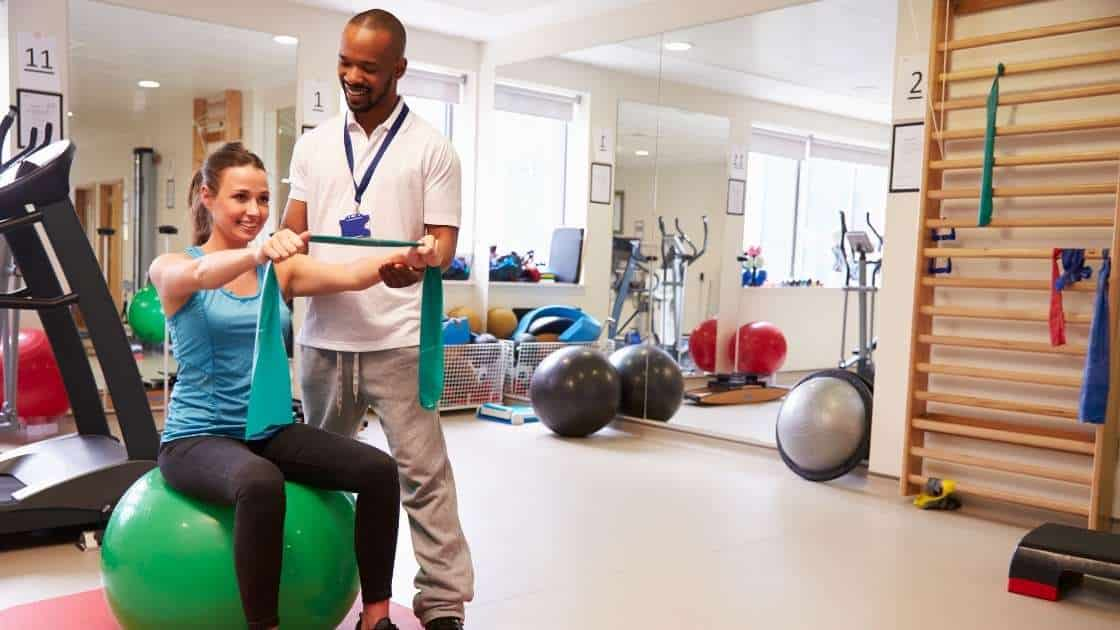

Neck Pain on the Right Side: What You Should Know

Neck pain on the right side can cause several things. First, if you have pain in your neck on the right side, it could be due to an injury. If you slept wrong, your neck could get sore. You could injure your neck in an accident. Any of these scenarios can cause neck pain on the right side.

Second, neck pain on the right side could also be due to a medical condition. For example, you might have arthritis in your neck or some other type of degenerative disease. If this is the case, then you will need to see a doctor to get treatment.

Third, stress can also cause neck pain on the right side. If you are always tense and stressed out, it can lead to muscle tension and pain in your neck. So if you are having neck pain on the right side, try to relax and take some time for yourself.

Finally, if you have neck pain on the right side that is severe or lasts for more than a few days, you should see a doctor. This is because it could be something serious like a tumour or an infection. So don't wait too long to get help if you are in pain.

What symptoms relate to neck pain?

Neck pain can vary from a dull, constant ache to sudden, sharp pain. Pain may increase by coughing, sneezing, or laughing. The pain may also radiate to the shoulders, arms, or jaw. Numbness or tingling in the arms, hands, legs or feet are the other symptoms.

What causes neck pain?

Neck pain is a common problem, and it has many possible causes. The most common cause of neck pain is muscle strain or tension. This can be due to poor posture, sleeping in an awkward position, or repetitive movements. Neck pain can also be due to disc issues, whiplash, cervical radiculopathy, and vertebrae problems. In rare cases, neck pain can be due to a spinal cord injury or other serious condition.

How is neck pain diagnosed?

There are a few different ways to diagnose neck pain. The first way is through a physical examination. Your doctor will look at your neck and feel for any areas of tenderness or pain. They may also ask you to move your head and neck in different directions to see if there is any pain or discomfort.

Another way to diagnose neck pain is through X-rays. This can help to rule out any other causes of neck pain, such as arthritis or a herniated disc. In some cases, an MRI can provide a more detailed look at the structures in your neck.

How is neck pain treated?

Neck pain is often treated with ice, heat, and over-the-counter pain relievers. You can also try sleeping on a pillow that supports your neck. Move your neck with care and avoid sudden movements. If your neck pain is due to muscle tension, massage your neck muscles or stretch your neck. In some cases, head and neck exercises can work quite well. Here is where a trip to the physiotherapist near you will come in handy.

Can you prevent neck pain?

Neck pain is a common problem, but you can prevent it. A good pillow can help support your neck and keep it in a neutral position. You should also sleep on your back or side to reduce the risk of neck pain.

Is a stiff neck serious?

A stiff neck can be quite uncomfortable and may make it difficult to move your head. But, a stiff neck is usually not serious and will go away on its own. If you have severe neck pain and other symptoms, such as a headache or numbness, see a doctor immediately.

What Causes Right Side Neck Pain When Breathing?

One of the most common causes of neck pain is muscle strain. If you have a job that requires you to look down or hold your head in one position for long periods, you may strain your muscle. Other common causes of neck pain include nerve pinch, cervical disc herniation, and whiplash. If you experience pain on the right side of your neck when breathing, see a doctor immediately.

Can neck pain cause problems anywhere else?

Neck pain can also cause problems in other parts of the body. For example, neck pain can lead to headaches. Additionally, if the neck pain is severe enough, it can cause pain in the shoulders or back.

What are the symptoms of back and neck pain?

Back and neck pain can have many different symptoms. Neck pain that occurs suddenly may be a sharp, shooting pain. It can also be a dull, aching pain. Back pain may be a dull, constant pain or it may be a sharp, shooting pain that comes and goes. You may also experience numbness or tingling in your arms or legs. If you experience any of these symptoms, you should seek medical attention.

How are back and neck pain treated?

There are many different ways to treat back and neck pain, depending on the cause. If the pain is due to a muscle strain, for example, ice and heat therapy are best. If the pain is due to a pinched nerve, the treatment could focus on relieving pressure on that nerve. In some cases, surgery may be necessary to correct the problem.

What are the complications of neck and back pain?

Neck and back pain can have many different complications. The most common is numbness and tingling in the arms or legs. A pinched nerve or a herniated disc is likely the cause of it. Other complications can include spinal stenosis, where the spinal cord becomes narrowed. It could also be cervical radiculopathy where the neck pain radiates into the shoulders or arms.

Treatment and home remedies

There are several things you can do to ease neck pain at home. Over-the-counter pain relievers can help. You can also apply heat or ice to the sore area for 15 minutes at a time. If your neck pain is due to muscle tension, you may find relief with a massage. Some people also find it helpful to sleep on a special pillow designed for neck support. Home remedies may work for some people, but it's important to see a doctor or physiotherapist if your neck pain is severe or doesn't go away after a few days.

Degenerative Disc Disease

Degenerative disc disease is a condition where the spinal discs start to degenerate or break down. This can cause neck pain, as well as spinal and vertebral problems. The pain may be on the right side of your neck, or the right side of your body. The pain may also be on the left side of your body.

Brachial Plexus Injury

The brachial plexus is a bundle of nerves that originate in the spinal cord and extend to the shoulder, arm and hand. A brachial plexus injury occurs when these nerves are stretched or torn. The severity of symptoms can range from mild to severe, depending on the extent of the damage. Symptoms may include numbness, tingling or weakness on the right side of your neck, side of your neck or entire right arm. You may also experience these symptoms on both sides if the injury is severe.

How you can ease neck pain yourself

There are a few things you can do to ease neck pain yourself. First, make sure your pillow is supporting your neck properly. If your pillow is too high or too low, it can put a strain on your neck. Second, try to move your neck regularly throughout the day to keep it from getting stiff. Finally, if you have to sit or stand in one position for a long time, take breaks often to move around and stretch your neck.

More specific red flags for neck pain

There are several more specific red flags for neck pain, which can help indicate whether the pain is coming from the neck or spine. These include numbness or tingling in the arms or legs, weakness in the arms or legs, loss of balance or coordination, and difficulty walking. If you experience any of these symptoms along with neck pain, it's important to see a doctor or spine specialist determine the cause.

When should I worry about right-side neck pain?

If you experience neck pain on the right side, it is important to pay attention to other symptoms that may go with it. For example, if you also have a headache, fever, or nausea, it could be a sign of a more serious condition and you should seek medical attention. Additionally, if the pain is severe or gets worse over time, it is also worth seeking medical attention. But, if the pain is mild and goes away after a day or two, it is likely not cause for concern.

How do I relieve pain in my right neck?

There are many ways to relieve pain in the neck. Some people find that over-the-counter pain medications, such as ibuprofen or acetaminophen, can be helpful. Others find relief with ice or heat applied to the neck. Massage, both self-massage and professional massage, can also be beneficial. Stretching and strengthening exercises may be recommended by a doctor or physical therapist to help relieve neck pain.

How do I know if my neck pain is serious?

There are a few things you can look for to determine if your neck pain is serious. If the pain is accompanied by any numbness, tingling, or weakness in your arms or legs, if you have problems swallowing or breathing, or if you have a fever, then you should seek medical attention right away. If your pain is milder and is not accompanied by any of these other symptoms, it is still important to see a doctor to rule out any serious conditions.

How long is too long for neck pain?

Neck pain is a common problem that can be caused by some factors, including poor posture, muscle strain, and injuries. While most neck pain is minor and can be treated with home remedies, some types of neck pain can indicate more serious problems. If you experience neck pain that lasts longer than a few days, is severe, or is accompanied by other symptoms, such as headaches or numbness, you should see a doctor for an evaluation.

What is the fastest way to relieve neck pain?

There is no definitive answer to this question as different people will have different preferences. Some general tips that may help include massaging the neck, applying heat or ice to the area, and stretching the muscles. Additionally, over-the-counter pain medications can also be effective in relieving neck pain.

Can neck pain be life-threatening?

Neck pain can be a symptom of a serious underlying condition, such as cancer or a heart attack. If you experience neck pain, it is important to see a doctor to rule out these potentially life-threatening conditions.

What Is Cervical Radiculopathy?

Cervical radiculopathy is a condition that occurs when a nerve in the neck is compressed or damaged. This can lead to pain, numbness, or weakness in the arm or hand. Cervical radiculopathy is often caused by degenerative changes in the spine, such as arthritis. Treatment typically involves rest, ice, and physical therapy. In some cases, surgery may be necessary to relieve the pressure on the nerve.

Whiplash Injury: You’re Not Alone

Whiplash is a neck injury caused by forceful, rapid back-and-forth movement of the neck, like the cracking of a whip. Commonly, whiplash happens when people are involved in car accidents or other incidents where they're thrown forward and backwards. The sudden jarring shock can injure ligaments, muscles and tendons in your neck, and the resulting pain can be intense.

Whiplash is one of the most common injuries that can occur in an accident—and it's also one of the most misunderstood. Most people don't realise how serious whiplash injuries can be, or how long they may take to recover from. They also don't know which muscles are affected by whiplash injuries or what kinds of treatment options are available.

Whiplash injuries are serious. They can leave you with a long recovery time, and a whiplash injury can also cause other injuries, such as neck spasms and headaches. It's important to realise that your neck muscles are not the only ones affected by this type of injury. The ligaments that hold the vertebrae in place can become strained or torn as well, which will cause you even more pain if not treated properly. It's important to see a doctor right away if you've suffered from whiplash so they can make sure nothing else is wrong with your body beyond the whiplash itself!

Cervical spine issues of this nature due to vehicular collision can cause chronic pain due to a whiplash-associated disorder.

Purpose

Whiplash is a common injury that can be caused by a motor vehicle accident. The neck is the most flexible part of the body and most vulnerable to injury, so whiplash can cause pain in your neck, back, and head. If you've suffered a whiplash injury, you might also experience headaches that could last for months or years afterwards. Besides accidents, whiplash pain may also occur due to physical abuse and sports injuries. Whiplash injuries can cause you to experience anxiety, depression, post-traumatic stress disorder (PTSD), and sleep disturbance.

Symptoms of whiplash

  • Headache
  • Neck pain
  • Shoulder pain
  • Pain in the jaw and teeth
  • Dizziness, nausea and difficulty concentrating

Whiplash symptoms can be more severe if you've been injured in a car accident and had your neck snap back suddenly or were rear-ended by another vehicle. Soft tissue damage not only causes a range of motion issues but also back pain. A cervical collar is generally used to contain the pain and immobilise the area. Importantly, a whiplash injury may cause traumatic brain injury (TBI), according to some studies.

Diagnosis

Your doctor will conduct a thorough physical examination to check for pain, tenderness, and mobility. Diagnostic tests are often necessary to confirm the diagnosis. These can include blood tests, MRI scans, CT scans and X-rays.

Treatments and drugs

Treatments for whiplash include physiotherapy, massage and chiropractic therapy. The effectiveness of these treatments is often limited by the severity of your injury, so talk to your doctor about options if you're not seeing any improvement after a few weeks. Painkillers and anti-inflammatories should also be taken if necessary to relieve pain.

FAQs

How long does whiplash take to heal?

It's impossible to say exactly how long it will take for your body to recover from whiplash because everyone heals at different rates. Some people recover within weeks, while others take months or even years. In general, however, most people who experience whiplash get better after about six weeks, but there are some exceptions—especially if you have pre-existing health conditions or are older than age 50. 

How serious is a whiplash injury?

Whiplash is one of the most common injuries that can occur in an accident—and it's also one of the most misunderstood. Most people don't realise how serious whiplash injuries can be, or how long they may take to recover from. They also don't know which muscles are affected by whiplash injuries or what kinds of treatment options are available.

Can whiplash heal on its own?

Whiplash can heal on its own. The biggest factor in whether or not your whiplash will heal is how quickly you seek treatment. If you don't seek treatment, the symptoms can last for weeks or months, but there are things you can do to help with the recovery process. If you're experiencing any of the following symptoms, you should see a doctor immediately:

-Sensitivity to noise, light, or touch

-Neck pain that radiates down your arms and shoulders

-Trouble sleeping due to neck pain or stiffness

-Hearing loss or ringing in the ears

What is the whiplash injury self-care routine?

1. Rest your neck and upper back by taking a break from activities that require you to sit in one position for long periods. If possible, try to take breaks from sitting every few hours. If you have to sit for long periods, try to change positions frequently.

2. Try not to use your neck or upper back for any heavy lifting or bending.

3. Apply ice packs to the injured area for 10-15 minutes every hour for the first 24 hours after your accident (or until the pain subsides).

4. Take acetaminophen or ibuprofen as directed by your doctor (for pain).

Does whiplash cause neurological problems?

Yes, whiplash can cause neurological problems such as dizziness, blurred vision or double vision, ringing in the ears or hearing loss (tinnitus), memory loss or confusion (amnesia), numbness or tingling in an arm or leg on one side of your body (paresthesia), difficulty speaking clearly (dysarthria), weakness on one side of your body (hemiparesis) or other problems with movement control, such as walking more slowly than usual. If whiplash symptoms persist for longer than two weeks after the initial injury, it's important to see your doctor. 

Knee Pain? Your Doctor Might Be Missing Hoffa’s Syndrome

Hoffa's syndrome or infrapatellar fat pad syndrome is a condition that affects the fat pad of your knee. It can cause pain and swelling in your knee. If you have Hoffa's syndrome, the pain may come on suddenly after exercising or bending your knee. In some cases, it may be caused by an injury or natural development as you get older. Treatment for Hoffa's syndrome includes resting your leg and using ice packs to reduce swelling as well as medications. Surgery is sometimes required for severe cases of Hoffman's syndrome. Sports medicine, including physiotherapy, is best for this knee pain injury. 

Fat pad pain is also known as patellofemoral pain or infrapatellar fat pad impingement. Hoffa's fat pad syndrome occurs when the fat pad of your knee becomes inflamed. The anterior knee pain is usually alleviated by bending the knee. Symptoms may be caused by an injury or by natural development. In some cases, Hoffa’s syndrome can also result from an underlying medical condition, such as rheumatoid arthritis. Inflammation in the knee cap, the knee joint, the patella, the patellar tendon, or the knee extension can be remedied with physical therapy, among other treatment options. The fat pad irritation from the scar tissue can also be the result of overuse injury. Hoffa's disease can be alleviated with massage therapy. MR imaging can reveal the cause of the sharp pain you are experiencing in your shin bone or thigh bone. An orthopaedic surgeon can give you a steroid injection if the pain in the quadriceps muscle is unbearable.

Pain is the most common symptom.

Pain may be felt in the knee, thigh and groin. The pain is often described as aching or throbbing. Your doctor may find that there’s an effusion in the knee joint. This is when there’s too much fluid around the knee, causing it to swell up. If you're suffering from knee pain, the first step to getting relief is figuring out what's causing the problem. The best way to do this is to see a doctor who can diagnose your condition and tell you how to treat it.

One common cause of knee pain is Hoffa's syndrome, an injury that occurs on the front of your knee. It's caused by an injury to the Hoffa fat pad and can be treated with taping and strengthening exercises. If you don't get treated for this condition, it may lead to other problems such as impingement syndrome—an injury that occurs when there's too much pressure on your patellar tendon—or arthritis.

Knee injuries can also be caused by overuse or repetitive strain. If you're experiencing pain at the front or side of your knee, it could have been caused by taping or pinching in those areas during strenuous activity, such as running or playing sports. In this case, it may be necessary for you to undergo surgery if there's no other way for you to recover from these injuries.

The pain is usually alleviated by bending the knee.

In most cases, the pain is alleviated by bending the knee. The pain is usually not reduced by straightening the knee. Pain may be lessened by flexing the hip and knee or extending them in opposite directions (e.g., flexing your right leg while extending your left leg).

Symptoms may be caused by an injury or by natural development.

You might have symptoms caused by an injury or you may be experiencing natural development. The following are some of the causes:

  • Injury from a car crash, sports injury, or other trauma to your head, neck, or back.
  • Ageing: Age-related changes in the joints decrease their ability to absorb shock and impact. This can result in pain and muscle weakness that can lead to symptoms like those of arthritis.
  • Overuse: Repeated motions such as typing on a computer keyboard or playing tennis can cause pain and stiffness as well as other problems with movement.

Causes include arthritis and ageing.

This condition can be caused by obesity, knee osteoarthritis, and ageing. There are several ways to develop Hoffa syndrome. Inflammation of the fat pad in the knee can exist as a standalone condition, but it is more often linked to other knee conditions, such as patella tendinopathy or patellofemoral (kneecap) pain.

One is by being overweight. If you're carrying around too much weight on your body and have poor posture, then this can lead to the development of Hoffa's syndrome. Another cause is arthritis in the joints of the neck or lower back region which may result in overuse of those joints causing them to become stiffened over time. This condition can lead up to the point where the joints lose their function completely due to lack of use or movement. These joints need regular exercise or risk having problems about 20 years down the line.

Treatment can include ice, elevation and medications.

  • Ice: Apply an ice pack to the area for 15 to 20 minutes three or four times a day. This will help reduce swelling and pain. If you don’t have access to an ice pack, apply cold compresses (wet washcloths or towels) instead. Do not use heat on the affected area unless directed by your doctor; it may increase swelling.
  • Elevation: Resting with your leg elevated above heart level will help reduce swelling and pain as well as improve blood flow through the veins in the groin region. If available, place pillows under your knee while lying down on your back. This method helps keep blood flowing toward your heart instead of pooling in your legs when you sleep at night when gravity pulls blood downward toward the feet and ankles. This causes the feet and ankles to swell overnight due to fluid retention that accumulates during extended periods of sitting upright during work hours.
  • Pain relievers: Over-the-counter medications such as ibuprofen (Advil) can provide temporary relief from minor discomfort caused by hematoma-based pain around the perineum/groin area where bruising has occurred. Bleeding inside tissue causes pressure buildup within localised areas, making them tender upon touch. Focus your energy towards healthy living style habits like getting enough sleep every night. Which means going home before 10pm as working overtime increases risk factors associated with developing type 2 diabetes mellitus.

Surgery may be required in some cases.

Surgery may be required to remove the inflamed fat pad, repair the meniscus or torn ligament, remove a bone spur, or a loose body (a piece of cartilage).

How long does Hoffa's syndrome last?

The pain can last from a few days to several weeks, and it can be severe. You may find that the pain is relieved by bending your knee to an angle of about 90 degrees. The symptoms of Hoffa's Syndrome tend to come on suddenly, but they usually don't last more than a few days. If you have recently injured your thigh or hip joint and are experiencing intense pain in these areas, contact your doctor immediately. This may be a sign of a more serious condition such as compartment syndrome or even necrotizing fasciitis (flesh-eating disease).

What does Hoffa's syndrome feel like?

Symptoms of Hoffa's syndrome include pain in the knee, which tends to be worse when standing or walking. In some cases, squatting may make it easier to straighten the affected knee without discomfort.

Hoffa's syndrome exercises

If you are experiencing oedema, it is important to exercise your legs and feet to help reduce swelling. Swelling in the legs can cause pain and restrict movement. Exercises can strengthen the quadriceps, hamstrings and tendons around your knees. This may also improve your balance so that you are less likely to fall over or trip over things in your home environment. Exercising regularly will also help keep your knee joint stable as well as improve overall fitness levels which could mean that recovery from surgery or injury is quicker than expected.

The first exercise is knee flexion for range of motion. This is an easy stretch that helps increase blood flow to the area, which helps ease pain and discomfort. To do this exercise, start by lying on your back with one leg bent and the other straight out. Then slowly bring your bent knee toward your chest until you feel a good stretch in your quadriceps muscle. Hold this position for about 15 seconds before releasing back down to the starting position. Do this 10 times for each leg on each side of your body to complete one set of this exercise.

Hamstring stretch: Lie on your back with one leg straight and the other bent at 90 degrees. Pull your foot towards your buttock until you feel a stretch in the back of your thigh. Do this for 30 seconds on each leg.

Hoffa's syndrome test

If you suspect that you or a loved one has Hoffa's syndrome, there are a few ways to test for it. The most common is the blood test, in which a sample of your blood is sent off to be tested for the presence of cancer or other diseases.

  • Importance of diagnosis: A proper diagnosis is important because it will help determine whether you need treatment and what kind of treatment is best for you. This can mean the difference between successful treatment and no treatment at all!
  • Symptoms: If left untreated, symptoms may include weight loss, nausea, vomiting and/or decreased appetite. However, these symptoms may also be caused by other conditions, such as liver disease or diabetes. It's important that anyone who suspects Hoffa's syndrome should see their doctor immediately. They can get tested properly before making any rash decisions about their health (such as quitting their job).

Hoffa's syndrome surgery

Hoffa's syndrome surgery is an option for patients with severe pain or who don't respond to other treatments. The procedure may be performed on an outpatient basis and typically lasts about two hours. Hoffa's syndrome surgery involves removing portions of the bone in your knee joint that has been weakened by arthritis. This can reduce stress on nearby nerves. This type of surgery is only recommended for patients who have already tried other treatments but haven't had good results, and it may not provide immediate relief from your symptoms.

The Frozen Shoulder: What You Need to Know About the Pain, and How to Treat It

Frozen shoulders are a common cause of shoulder pain and stiffness, although they are also known as adhesive capsulitis. It's estimated that 5-20% of people will develop a frozen shoulder at some point in their lives. The condition occurs when there is tissue damage, thickening or scarring around the joint capsule (the connective tissue surrounding your shoulder joint). This causes painful restriction of movement within the joint itself and can be extremely debilitating. It's important to note that a frozen shoulder isn't an illness itself - it's a secondary condition that could be caused by another injury or illness elsewhere in your body.

What is a frozen shoulder?

A frozen shoulder is a condition that causes pain and stiffness in the shoulder joint, which connects your arm to your body. The shoulder is made up of three bones: the clavicle (collarbone), scapula (shoulder blade), and humerus (upper arm bone). The clavicle connects the shoulder to your chest area. Your scapula is part of your shoulder blade—it’s what you feel when you have a sore back. The humerus is one of two bones that make up your upper arm bone (the other being your radius).

A frozen shoulder can be caused by an injury or repetitive use of the shoulder. For example, if you fall on your outstretched hand, this may cause inflammation or damage to tendons around the shoulder joint so they cannot move as freely as they should. In other cases, it may be caused by an infection such as rheumatoid arthritis or tuberculosis.

Causes of frozen shoulder

Frozen shoulder is caused by inflammation of the bursa and tendons that surround your shoulder joint. The inflammation causes scar tissue to form, which stiffens the joint and makes it difficult to move your arm.

Several things can cause frozen shoulder, including:

  • Injury or overuse of one shoulder (for example, from throwing sports)
  • Arthritis (from long-term wear and tear on joints)
  • Infection around the shoulder joint

What are the symptoms?

  • Pain. The pain of a frozen shoulder can be felt in the neck and shoulder area, as well as down the arm. It usually starts slowly and gets worse over time.
  • Stiffness, particularly after sleeping at night or sitting for long periods during the day (such as at work).
  • Difficulty moving the shoulder joint through its normal range of motion (flexion and extension), which makes it difficult to raise your arm above your head, behind your back, and across your chest. This also affects how far you can rotate your arm outwardly or inwardly when your elbow is bent. You may find that some movements are more painful than others because they put more stress on certain parts of your shoulder joint that aren't moving properly due to frozen shoulder syndrome.
  • The inability for others to move/position your affected arm for you (e.g., when getting dressed).

When should I seek help from my GP?

You should see your GP if:

  • The pain is severe or not improving after a week.
  • You have a fever, feel generally unwell or have other worrying symptoms.
  • Your symptoms are getting worse despite taking painkillers and resting the shoulder as instructed by your doctor or physiotherapist.

How is frozen shoulder diagnosed?

Your doctor will use a combination of tests to diagnose a frozen shoulder. These include:

  • X-rays. These can help your doctor to see whether there is any damage to the bones surrounding your shoulder joint.
  • MRI scan. This test uses magnetic waves and radio waves to produce detailed images of your joints and ligaments, which may be useful for diagnosing a frozen shoulder. However, it's important to note that an MRI scan cannot show if you're at risk of developing a frozen shoulder or whether other conditions are causing symptoms.
  • Blood tests. Blood tests are used as part of routine health checks by most people over the age of 40 and can help determine how well organs like the heart or kidneys are functioning in healthy adults who have no symptoms suggestive of disease; however, they're usually not used specifically for diagnosing frozen shoulder unless there's another condition present alongside it (such as rheumatoid arthritis).

Treatment of frozen shoulders at home

If you have a frozen shoulder, you may be able to treat it yourself. You can try the following things:

  • Exercise. The aim is to stretch and strengthen your shoulder muscles so that they work properly again. Begin with gentle stretches and build up gradually as the pain eases.
  • Heat or cold packs (or a combination of both). Apply them for 20 minutes three times a day on the affected area if possible - this should help reduce stiffness and pain in your shoulder.
  • Massage therapy - including acupressure massage - may also be helpful as well as acupuncture treatments (ask your GP if they can refer you).

How does physiotherapy help?

Physiotherapy restores shoulder movement through stretching exercises. If your rotator cuff tear is causing extreme pain, an injection is also recommended by the GP. Pain may take several days, months or years to go away completely. When the shoulder becomes immobile, the treatment for frozen shoulder gets delayed. Patients with frozen shoulder can expect relief from physiotherapy as it helps to:

  • reduce pain and stiffness, by increasing movement of the shoulder.
  • improve strength and movement with exercises aimed at specific muscle groups. These can be performed in the gym, physiotherapy centre or at home, with a physiotherapist's guidance after a physical examination.
  • help improve posture surrounding the shoulder joint so that you are less likely to slouch over your desk or around the house. This is because muscles become fatigued more easily if you have poor posture, which leads them to become shorter than normal – making it harder for them to do their job properly when they're on full stretch during everyday movements like reaching out to grab something from above your head!

What is the main cause of a frozen shoulder?

The main cause of a frozen shoulder is thought to be overuse. This can include any activity that causes repeated strain on the shoulder joint and surrounding muscles, such as:

  • Carrying heavy bags or purses for long periods
  • Doing tasks that require you to keep your arms raised above shoulder height for extended periods (for example, changing light bulbs)
  • Playing golf or tennis regularly can also put extra strain on the shoulder joint and muscles.

What are the first signs of a frozen shoulder?

Sometimes, the symptoms of a frozen shoulder can be mild and you may not notice them until they get worse. The first signs of a frozen shoulder often include:

  • pain and stiffness in your shoulder
  • difficulty raising your arm out to the side
  • weakness in the muscles around your affected shoulder

How does a frozen shoulder feel?

You may experience pain, stiffness and loss of movement in your shoulder. You may also feel tenderness when you touch or move the affected area. The symptoms of a frozen shoulder can be mild or severe depending on whether inflammation is still present and how much movement has been lost. It's important to get a physical exam and discuss your hobbies, too. Talk about things you do at work or play, as well as anything that causes extra strain on your shoulder.

Frozen shoulder exercises

Follow these range of motion exercises and stretches from a physical therapist if you have a frozen shoulder. It's important to move your shoulder as soon as possible while you wait for the anti-inflammatory medications to work their magic. Stretching and movement exercises can help with your shoulder mobility issues. Symptoms improve when shoulder problems are reduced through physiotherapy.

1. Pendulum stretch: This exercise can be done anywhere, at any time. Stand with your feet shoulder-width apart and lean slightly forward. Let the arm you wish to work hang down toward the ground between your legs; don’t let it touch anything or support its weight in any way — this is just an aid for balance as well as focus. In a small circular motion swing that arm clockwise 10 times and then counterclockwise equally many times—10 revolutions per direction should suffice. When your symptoms begin to go away, swing your arm wider. However, don't force it—only increase the distance when you feel ready for more stretch. When this becomes easy and comfortable, add a light weight in the swinging arm as well.

2. Shoulder abduction: Raise your arm out to the side as far as it will go without moving your elbow or wrist. Hold for five seconds, then lower slowly back down. Repeat 10 times with each arm.

3. Shoulder external rotation: Stand with your feet about hip-width apart, holding an elastic resistance band in both hands at chest level with palms facing inward (facing each other). Bring your arms back slightly so there's tension in the band. Then slowly rotate your arms outward until they're at shoulder level with palms still facing inward. Hold for one second then return to the starting position. Repeat until you've reached 15 reps on each side.

4. Chest stretch: Stand with feet hip-width apart and knees slightly bent; cross one arm across your chest so that it rests on top of the other arm (both hands should be facing forward). Gently pull on both arms until they meet at center back; hold for one count before releasing gradually.

5. Cross-body stretch: Sit or stand with your good arm lifted straight up and your affected arm at your side, bent at the elbow. With gentle pressure, bring your affected arm across your body and hold it there for 15 to 20 seconds. Repeat this 10 to 20 times per day.

6. Towel stretch: Hold one end of a three-foot-long towel behind your back and grab the opposite end with your other hand. Hold the towel in a horizontal position. Use your good arm to pull the affected arm upward to stretch it. You can also do an advanced version of this exercise with the towel draped over your good shoulder. Hold the bottom of the towel with the affected arm and pull it toward the lower back with the unaffected arm. Do this 10 to 20 times a day. A more advanced version of this exercise is to hold the towel over your good shoulder. Tightly grasp its bottom end with the affected arm and, while keeping it against you, pull it toward the lower back with your unaffected arm. Repeat 10 or 20 times a day (as needed/performed).

7. Side arm raise: Stand straight with your feet together, then slowly lift your arms out to the side until they are parallel with the floor. Hold for five seconds and lower back down slowly.

Four stages of frozen shoulder

Stage 1: Pain and stiffness

In the first stage of a frozen shoulder, you'll likely experience some pain, especially if you've been sleeping on your arm for a few hours or more. You may also notice that it's difficult to move your arm in certain directions because it's stiff. The pain typically worsens with movement and gets better when resting.

Stage 2: Loss of range of motion (ROM)

The second stage is marked by a loss of range of motion (ROM). In this phase, you may still be able to lift your arm above shoulder level but will have difficulty reaching behind your back or forward over your head because movements in these directions have become painful and difficult. This stage typically lasts six months or less after symptoms appear.

Stage 3: Loss of strength

Strength loss comes next as muscles atrophy from disuse due to decreased mobility during sleep. It can take anywhere from three months to three years for full recovery following this stage.

Stage 4: Pain relief 

When frozen shoulder symptoms are gone, you may still experience some pain in your joints. This is because the capsule around your shoulder remains stiff and can take several months to fully recover. You may also notice some stiffness when moving your arm at first after it thaws out.

How to sleep with a frozen shoulder

The pain gets worse at night. Therefore, the best position to sleep in with a frozen shoulder is on your back, with a pillow supporting the arm and another between the knees and shoulder. You can also try sleeping on your side, but be careful not to bend or twist your body while you do so. Sleeping on your stomach isn't recommended because it can worsen the condition by putting pressure on joints and the shoulder capsule. If you're having trouble getting comfortable enough to fall asleep, try these tips to reduce the pain in the shoulder:

  • Take advantage of gravity by lying down at an angle that's more conducive to rest—such as leaning forward toward a wall or bedpost—to increase blood flow.
  • Use pillows under both sides of your neck for support (to keep from rolling onto one side).
  • Place a pillow between your shoulder blades and mattress for added comfort if needed (this will help ease tension in the muscles).

Physiotherapy can help

Physiotherapy can decrease pain and help resolve shoulder restrictions caused by adhesions and scarring. Physiotherapy can help with shoulder pain, stiffness and movement. Physiotherapists may use many techniques to improve the range of motion in the joint, including manual therapy that helps break down scar tissue, massage that improves circulation to the area, heat or cold treatment if needed, soft tissue release techniques to loosen tight muscles and stretch bands to gently increase range of motion. This will improve your ability to lift weights as well as perform everyday tasks such as reaching up high on a shelf or hanging clothes out at the laundromat!

If you want more information about how physiotherapy can help you live better with frozen shoulders – contact us today!

Conclusion

The key to treating frozen shoulders is to keep moving. It can take up to nine months for the inflammation in the shoulder joint to subside, so it’s important not to stop exercising even when you feel pain or stiffness. Exercises such as swimming, walking and cycling are good options because they don't put too much pressure on your joints. Physical therapy also relieves some of the pain associated with a frozen shoulder by increasing mobility in areas where muscles have become tight or weak due to disuse. Physiotherapy should be considered an alternative to surgery though some patients opt for both at some point along their treatment plan. 

Anterior Cruciate Ligament (ACL) Injuries: What You Need To Know

An anterior cruciate ligament (ACL) injury is the overstretching or tearing of the anterior cruciate ligament (ACL) in the knee. A young athlete could incur ligament injury, wear a knee brace, or seek the help of a physical therapist. In worse cases, ACL reconstruction surgery is also recommended. As it's a common knee injury, the only remedy is knee stability by repairing the medial collateral ligament through graft or stitching, depending on the nature of the injury. If it's a grade 1 ACL sprain, the athlete could recover in a few weeks through physiotherapy. If it's a severe case of an anterior cruciate ligament injury affecting the shin bone or thigh bone, surgery is the only option. Therefore, sports medicine and injury prevention are crucial to the wellness of sportspersons. 

The rehabilitation of meniscus tears is just as crucial as the time of injury and the type of injury. If the ACL is torn irreparably, the only option is surgery. Nonsurgical treatment is advised when it's a mild injury and the tear is partial. Jumping and landing may not be possible for sportspersons who have suffered a complete ACL injury. While partial or complete recovery depends on the severity of the sports injury, it is advisable to go for ACL injury prevention through proper training. Only an MRI can highlight the extent of the injury to the tendon and the lateral collateral ligament, among other things. An athlete could return to play sooner if the ligament is pulled or strained, but not torn.

The ACL can be injured in several ways, but the most common are:

# A sudden stop or change of direction. 

# Landing from a jump incorrectly. 

# Slowing down while running, but keeping your foot in place and planted on the ground.

You might have injured your ACL if you hear a popping noise in your knee, have trouble walking or standing, have immediate and severe pain, have swelling within a few hours, feel like your knee is unstable, have long-term pain or stiffness symptoms. 

Anterior cruciate ligament injury

Injuries to the anterior cruciate ligament (ACL) are common among athletes. The ACL is one of the major ligaments in the knee. It connects your thigh bone (femur) to your shinbone (tibia), helping keep your knees straight and stable when you are walking or running. An ACL injury can occur in several ways, such as:

  • twisting or turning too fast while playing sports
  • landing awkwardly after jumping or falling
  • catching yourself while falling down

If you suspect that you've injured your ACL:

  • Don't put weight on the leg.
  • If possible, raise the injured leg above heart level (elevate).
  • Place ice on the knee for 20 minutes every two hours for 48 hours and then as needed for pain relief (don't apply ice directly to the skin). To prevent frostbite wrap an elastic bandage around the ice pack first so it doesn't touch the skin directly; remove the bandage after 15 minutes of icing time.

Symptoms and causes of ACL

How will you know if it's torn? The symptoms of ACL tear are:

  • pain and swelling in the knee after a sudden twisting or pivoting movement, such as turning to change direction while playing soccer, pivoting on the court while playing basketball, or stepping off a curb too quickly.
  • trouble bearing weight on the affected leg. If you have an ACL injury and try to walk on that side, it may feel like your knee buckles or gives way beneath you (it won't collapse). You'll also be able to feel a slight “catch” when straightening your leg at the knee.

Diagnosis and treatment options for ACL

  • Diagnosis: If you suspect you have an ACL injury, call and make an appointment with a medical professional who can examine and diagnose your injury.
  • Treatment options: In some cases, the damage to the ligament is so severe that surgery is needed to repair it. In other cases, rest and physical therapy may be sufficient for recovery from ACL injuries.
  • What to do if you suspect you have an ACL injury: If you're having pain or swelling around or near your knee joint, see a doctor immediately. They'll likely give you advice on how to reduce swelling and pain while they determine whether or not there's been any permanent damage done to your ligaments by doing things like checking your range of motion in various directions (eccentric exercise).

Conclusion

ACL injuries can be devastating, but they don't have to be life-changing. With the right treatment and a positive attitude, you can bounce back from an ACL tear and return to your normal activities in no time at all.

FAQs

Can an ACL heal without surgery?

As with any injury, the healing process depends on the severity of your ACL tear. If you've had a partial tear, or if you have only one side of your knee involved (you injured one leg but not the other), your doctor may recommend that you try to heal without surgery. If both of your knees are injured and/or if there is significant scarring from previous surgeries or injuries, surgery will likely be recommended.

If surgery is required due to severe damage to your knee and/or ligaments, it can usually be done arthroscopically (through small incisions). This means less pain after surgery and a faster recovery time than open surgery.

What happens if ACL is not treated?

A torn ACL can result in knee instability and swelling, which can lead to long-term problems.

If you have a torn ACL and don't get treatment, you may be more likely to have:

  • inflammation and swelling of your knee joint.
  • weakened muscles around the knee as they compensate for the lack of stability caused by the injury.
  • permanent knee pain or stiffness.

How long does it take to recover from a torn ACL?

The length of time it takes to recover from an ACL injury can vary. However, most people who have had the surgery can return to sports and other physical activities between six months to a year, according to NHS, UK. 

However, some patients might need two surgeries. Researchers have found that satisfactory outcomes can drop from 97% to 76% with revision surgeries. Some patients have persistent instability after initial reconstructive surgery on their ACLs; this means that the joint keeps giving out over time or does not heal properly after one operation. In these cases, doctors may recommend a second operation called revision surgery—which involves replacing or repairing the first brace—to improve stability and help prevent further injuries.

Is ACL surgery a major surgery?

ACL surgery is major surgery, but it can be done as an outpatient procedure. It's generally performed by an orthopaedic surgeon, who can be either a general surgeon or an orthopaedic surgeon (specialised in the musculoskeletal system).

The type of ACL surgery you'll have depends on the size or extent of your injury and how much damage has been done to other structures around the knee joint. Surgery may also be necessary if you’re planning on having reconstructive procedures (like microfracture) later.

ACL injuries usually require surgical repair because they're so hard to treat otherwise. If left untreated, they can cause fluid buildup which could lead to serious complications like arthritis. If your tear isn't too large and only involves one ligament, however, it might not need surgical intervention at all. Many people recover from partial tears just by resting their knee until it heals itself over time. But this isn't always possible for everyone as there's no way to know how severe your tear will be before going through testing!

Should I have ACL surgery or not?

That depends on many factors. If you are young and active, you should probably have surgery. However, if you are older and don’t want to risk your knee joint in the future, then it is probably better to avoid surgery. If you do have other injuries or medical conditions that affect your knees, then it is best to consider having ACL surgery when possible.

Can an ACL tear get worse?

An ACL injury can get worse over time. This is why it's so important to seek medical attention right away if you suspect you have torn your ACL. If the torn ligament remains untreated, it can lead to more serious injuries like osteoarthritis and premature cartilage degeneration in your knees as well as other complications such as post-traumatic arthritis, which can cause pain and inflammation around the knee joint.

How to get the most out of physiotherapy

Physiotherapy is a form of physical therapy that's been around for over 100 years. It's used to treat and manage pain in the body, as well as help with problems like back pain, arthritis, and muscle strains. Physiotherapists use a variety of techniques, including manual therapy (massage or mobilisation), exercise (mainly stretching), manipulation, and others. The main goal is to improve your overall movement quality so you can get back to doing the things you love without pain getting in the way! Physiotherapy helps immensely because rehabilitation and injury prevention are crucial components of it. As people of all ages suffer from musculoskeletal disorders, sports injuries, illnesses or disabilities, physiotherapists are the best bets to treat and restore movement and function. The techniques and treatments used by physiotherapists often work to educate patients. Therefore, this self-help approach is found to be effective in the long run. There is nothing that a therapeutic massage cannot do to fix your spinal cord and tendon. If you want to be chemical-free and aid the natural healing process, visiting a posture clinic is the best way to combat muscle stiffness and any neuromuscular disorder.

Research your options

One of the biggest benefits of physiotherapy is the variety of treatment options available to you. Before you start physical therapy, it's important to research your options and find out which physical therapist is available in your area. This way, if you have any concerns or questions about a particular type of therapy, you can speak with a physiotherapist who specialises in that area before beginning treatment.

If there are any clinics that are known for their expertise in your area of interest, such as sports physiotherapy or back pain management, it may be worth considering attending one of those clinics instead. You will find that there are differences between different clinics and practices when it comes to services, such as availability during evenings and weekends. By doing some research before attending a session at a specific clinic, you will know what kind of atmosphere suits you best so that you can get the most out of your experience with physiotherapy!

Choose a clinic that has a good reputation

Choosing a clinic that has a good reputation is important for several reasons in health science. The first reason is that it reflects the quality of the clinic in world physiotherapy. If a clinic has a good reputation, such as high google business ratings and affiliation with world bodies, such as the American Posture Institute, you can trust that they are doing their best to provide high-quality care in their physiotherapy practice.

The second reason to choose a reputable clinic is that it reflects the quality of your therapist and treatment. A reputable therapist will be highly trained and experienced in their field, so they'll understand your needs better than anyone else could. They can also offer valuable advice about how best to use physiotherapy for maximum benefit, ensuring that you get the most out of each session.

Finally, choosing an established and reputable clinic means that other people have chosen them too, and for good reason! You want others who have been through similar experiences as yours not only because they're likely experts in what works but also because they may have tried something else first and found success with it (or failure). The right physical activity is crucial for chest physiotherapy, sports physiotherapy, and spinal cord injury. Only therapeutic exercise can help you lead a chemical-free life that is pain-free. The right physiotherapy clinic will have the appropriate massage therapy, health professionals, and the clinical experience required to help you with your health condition. Pelvic pain, physical function, muscle weakness, neck pain, and joint pain are all related to your muscle strength. With proper physiotherapy skills and a qualified physiotherapist, you can heal your joints and any other sports injury within hours, days and months, depending on your condition.

Be open with your physiotherapist

It's important to be open with your physiotherapist. Don't pretend that you're feeling better when you're not. Likewise, don't feel guilty if the pain is worse than usual one day and make sure they know it. Your therapist will have a better idea of what's going on and can help guide your recovery accordingly.

Asking questions is also key! If there are things that are confusing or seem out of place, ask away! It's important to understand what is happening so that you know what steps to take next, so you feel better quickly and effectively.

Ask questions

When you meet with your physiotherapist, don't be afraid to ask questions. Remember that not all treatments are the same.

  • Ask what will happen during your sessions; how long they will last, how often they'll occur and any instructions they may have for you before or after each one.
  • Ask how the treatment will work; what kind of exercises or movements they'll ask you to do, whether any special equipment is required and what results can you expect (e.g., increasing flexibility).
  • Ask how much effort is required on your part; whether it's necessary for you to perform certain exercises at home. Or if there are other ways in which this therapy can help improve mobility and strength without much effort from you.

Be honest about your pain levels and symptoms

It can be tempting to ignore your pain or hide it because you don't want to be seen as a wimp. It's okay to ask for help if you're in pain or worried about something, even if the problem doesn't seem that serious. If a physiotherapist asks how much movement you have, try not to say "a little bit" just because it's easier than saying "not very much." Remember: the goal is not just about being able to move more; it's about being able to move better, and this requires honest feedback from both parties and patience on both sides!

Don't compare yourself to other patients

A common mistake that people make when they're in physiotherapy is to compare themselves to other patients. Don't do this! It's a waste of your time and energy because every person is different, so there is no way to gauge your progress against someone else's.

Instead, focus on the following:

  • Your own pain levels
  • Your own symptoms
  • Your own recovery time

Write everything down

Write everything down. Seriously, write it all down. Write down what you've learned about your diagnosis and treatment plan, what exercises or stretches you were given to do at home, and how often you should do them. Write down any instructions for taking medication or supplements. For example, "take one multi vitamin pill with eight ounces of water before bed." If your doctor gives you specific instructions about eating meat or processed foods (or anything else), write those down as well. Then keep track of how well the medicine works for you: Does it make a difference in how much pain relief you experience? Is there anything else that helps reduce symptoms? What are the most effective medications? A good rule of thumb is to use this information and continue documenting progress as long as possible... even though many years have passed since leaving the hospital!

Ask for emotional support from family or friends

If you're experiencing emotional distress during physiotherapy, it can make the experience more difficult. It can be helpful to seek out family and friends for help. They can listen to you and offer encouragement while you share your feelings. They may also provide physical therapy techniques that aren't available in most clinics, such as giving massages or performing breathing exercises. You can't do some exercises or treatments by yourself at home and need external support. Your family may also be able to help by offering guidance on how to manage stress in day-to-day life. And they might even know some tips on how to improve your mood immediately!

Find an expert who specialises in the area

When looking for a physiotherapist, look for an expert who specialises in the area that concerns you most. If you're looking to improve your posture or relieve tension in your back, a physiotherapist who specialises in these areas will be able to help you more than one with a broader background. Don't hesitate to ask questions about the different types of physiotherapy available and how each type can benefit your condition. What's important is getting the best quality care possible!

Listen to your body and be kind to yourself

It can be tempting to push yourself to get the most out of your sessions, but you should know that your body will talk to you if it needs a rest. If you feel tired or if there is pain during your physiotherapy session, don't ignore these signals; instead, listen and take them seriously. If you are unsure whether or not taking a break is necessary, simply ask your physiotherapist for advice.

Do your research about physiotherapy before you start sessions

It's important to do your own research about physiotherapy before you start going for sessions, so you get the most out of them.

You should research:

  • The different types of physiotherapy available
  • The different types of physiotherapists available
  • The different types of treatments available

Conclusion

Physiotherapy is a great way to get the most out of your body, whether you're an athlete or not. It's also a great way to prevent injuries from happening in the first place! There is no substitute for seeing a physiotherapist when it comes to keeping your body healthy and strong. If you're looking for advice on how best to approach treatment with one of these professionals, Posture Clinic's blog can help. Takeaway: You can get better at anything if you have the right mindset and approach. And if you need clinical assistance, book an appointment now.

Hunchback Posture Correction Made Easy

You should learn to correct your posture while you're sleeping, sitting, standing and walking. Your posture corrector is like a personal physiotherapist who's always there for you when you need it most. If you are suffering from rounded shoulders, forward head posture, hunched shoulders or thoracic kyphosis (a stooped upper spine), a posture clinic can fix your spinal deformity.

Proper alignment of the spine by a physiotherapist to strengthen weak muscles with specific exercises can prevent spine surgery, posture brace, or a posture corrector. The best approach is chemical-free: physical therapy. A posture trainer will fix your shoulder posture and correct your movement patterns for better posture. 

If you're like most people who have poor posture, then your hunched back will be more severe when you're in bed than when you're outside of the house. This is because you are completely relaxed while sleeping and don't have any other distractions besides trying to get some shut-eye. However, once you are awake, this begins affecting other things, such as driving or work-related tasks which may cause even more strain on the body over time due to prolonged time spent in a hunched position (i.e., sitting at a desk all day long).

What are the causes of hunchbacks?

The causes of hunchback are common, including, poor sitting posture, poor sleeping posture, poor sports posture, poor driving posture, and incorrect computer posture. The list goes on and on. If you do any of the above (or many of them) for an extended period of time, you’ll find that it leads to a hunched back condition.

What are the effects of having a bad posture?

Bad posture can lead to back problems, shoulder pain, neck pain and headaches. Bad posture also affects your hands and wrists because they have to support your body weight. Wrist pain is common for people who sit at a computer for long hours without taking breaks. Bad posture affects your hips, knees, ankles and feet as well. People with bad postures tend to have more knee problems than those who maintain good postures because their body weight is not distributed evenly throughout their entire foot but concentrated on one area of the foot (usually the heel).

Are you suffering from hunchback posture?

If so, there are many factors that may be contributing to this condition, including poor sleeping posture, poor sitting posture and even poor standing posture. In addition, one of the most common causes of hunchback posture is a muscle imbalance in the shoulders and neck area. This condition can result in a hunched back with an uneven curvature or an exaggerated curve between either the shoulder blade or the lower back region.

There are many ways you can correct your posture. For instance, while having a good sleep. Sleeping with a pillow that is too soft will cause you to sleep on your back, which will correct your posture. Sleeping on your side is also a good way to correct your posture but sleeping on your stomach isn’t recommended because it may cause problems in the future. Sleeping on your back with a pillow under your knees will also help as well! This might be one of the reasons why some people are able to stand straight even though they have a hunchback syndrome.

Hunchback posture correction

The hunchback posture is a condition in which the upper back is rounded and the chest is sunken, with the shoulders slouched forward and the chin tucked to avoid looking at others. The hunchback posture typically leads to a poor self-image, as well as many muscular imbalances. It can also lead to lower back pain due to increased stress on that area of the body. Thankfully, there are several simple exercises you can do at home or in your office to help correct your posture so that you no longer feel like a hunchback!

How can mothers prevent their children from developing a hunchback posture?

To prevent your child from developing a hunchback posture, you should:

  • Keep him or her sitting upright in a good position.
  • Make sure he or she always has good posture.
  • Prevent him or her from slumping over.

How can young adults avoid developing a hunchback posture?

The first and most important way to avoid developing a hunchback posture is to avoid sitting for long periods of time. Even if you don't have any pain, prolonged sitting can cause your muscles to tense up and your joints to become stiffer or narrower. Over time, this can lead to muscle spasms and pinched nerves that cause pain in the back of the neck, shoulders or upper back.

Other ways you can help prevent hunchback posture include:

  • Try not to slouch when sitting or standing
  • Keep your head level with the rest of your spine when sitting
  • Maintain good posture while walking

What are the different types of posture?

If you’re like most people, you probably think of your posture as being one particular thing. But the truth is that there are several different types of postures that can cause problems with your body. Here are a few of the most common:

  • Normal posture
  • Hunched (or slumped) posture
  • Roundback (or swaybacked) posture
  • Kyphotic posture (or kyphosis)
  • Kyphoscoliosis/lordosis

How to fix a hunchback posture

The sooner you have your posture corrected, the better. But if you're not sure about how to fix a hunchback posture and don't have much time on your hands, consult a posture expert. There are many different reasons why people develop this posture, but really it all comes down to one thing: their muscles aren't working properly. A good stretch will help with this problem, but if your muscles are too tight or weak, then stretching alone might not be enough.

The best way to prevent back pain is by strengthening the core and supporting muscles throughout your body. This approach will help your back support any additional weight safely and comfortably. Exercises such as sit-ups or crunches aren't going to do much good when it comes down to correcting poor posture over time because they don't strengthen these supportive muscles at all; what they'll do instead is make them weaker over time due to repeated use without proper technique (and/or improper form).

The symptoms of a hunchback posture

The symptoms of hunchback posture include:

  • Pain in the back and neck.
  • Pain in the shoulders.
  • Pain in the arms (upper extremities).
  • Pain in the lower back.
  • Pain in hips, knees, ankles and feet (lower extremities).

This list is not exhaustive; it only describes some of the most common symptoms of poor posture that can be observed by a person who suffers from this condition.

What is lordosis?

Lordosis is a posture where the lower back curves inward (also called "swayback" or "hunchback"). It's a normal posture in children, but adults often have too much lordosis. This can cause back pain and other problems. It's easy to get into this position if you sit for long periods without moving around often. Or it could be that your core muscles are weak and so they can't support your spine properly. The good news is there are ways you can correct lordosis and strengthen your core muscles. Some of these include planks, bird dogs, pelvic tilts, and yoga.

Hunchback Posture Exercises for Adults and Teens

Do the exercises for 10-15 minutes every day. Do them every day, at the same time every day. Do them in the morning before eating breakfast or going to bed at night. If you can't do them daily, try three times a week:

  1. Stand straight with shoulders relaxed and chin up, looking forward. Place palm on the back of your neck and push against it until the fingertips are touching your shoulder blade. Hold for 10 seconds while exhaling slowly and then release. Repeat five times (or more if you'd like).
  2. For a more challenging stretch, lie on your back with legs extended and arms outstretched above your head. Next, bring the right knee up toward your chest while simultaneously bending the left elbow to reach over and touch it. Hold for five seconds; repeat five times before switching sides. 
  3. Child's Pose (i.e., Downward Facing Dog). Begin in an all-fours position, then lift hips until body forms an inverted V shape with hands on the floor directly beneath shoulders. Keep legs firm and pointed straight back toward the ceiling while keeping knees low if possible; hold for 10 seconds before lowering hips to floor. Slowly roll forward until the forehead rests on the ground; keep arms extended out in front with palms facing downward. Hold for 10 seconds and then repeat five times. The child's pose is one of the most effective stretches to counteract hunchback posture. 

How long does it take to correct a hunchback posture?

It takes time to correct a hunchback posture. You should expect it to take at least six months, and possibly up to a year, depending on the severity of your posture. If you're just beginning with these exercises and have never done them before, it can take longer than six months for any noticeable improvement in your hunchback posture.

If you've had long-term chronic problems with back pain or neck pain, then you may need many more rounds of exercise sessions before a full correction is achieved. The best thing to do is commit yourself to the long haul: set aside time every day or every few days for practising these exercises until they become part of your daily routine.

Even if you're already seeing some improvement in your posture, it's still important to continue doing these exercises regularly. If you let yourself get lazy and stop doing them altogether, it's likely that your posture will revert back to how it was before you started. So remember: the key to correcting hunchback posture for good is consistency!

There are exercises you can do to keep your back and neck in good alignment.

  • Stretching exercises include yoga, pilates, and tai chi. These are all good ways to stretch the muscles of your lower body, upper body, and spine.
  • Strengthening exercises include push ups, wall sits, and mountain climbers. They help strengthen the muscles that support the spine and correct lordosis or kyphosis, the abnormal curvature of the upper spine.
  • Posture exercises also help with lordosis or kyphosis by strengthening postural muscles like those along your backside (gluteal region), abdomen (abdominal region), shoulders (anterior deltoid region), chest (pectoralis major region), arms (biceps brachii region) and legs (quadriceps femoris muscle group).
  • Neck flexion exercises focus on lifting up your head as far as possible without straining yourself. This helps correct scoliosis, a condition where one side of your spinal column curves more than the other due to muscle imbalance or weakness in certain areas around it, or due to sacralisation of the pelvic bone with the spine.

Conclusion

With the tips and exercises we’ve outlined here, you can improve your posture and feel better in your body. Remember that it takes time; these things don’t happen overnight! If you need more help or want more information on how to fix your hunchback posture, please contact us or visit our website for additional resources on improving overall health and wellness.

Correct Your Posture, The Right Way!

Before you start correcting your posture, remember a few things. You are the master of your own body, so treat it as such. Be responsible for it and take care of yourself-you're worth it! Don't overdo any exercise or stretch; if something hurts, stop immediately. And remember that this is not an overnight fix; you'll probably notice progress over time as long as you continue to do the exercises regularly (and stick with a healthy diet).

Correct posture is all about keeping your muscles stress-free. Only a physical therapist and proper posture can fix rounded shoulders. Fix bad posture with physical therapy and overcome forward head issues, neck pain, overactive muscles, lower back pain, shoulder pain, muscle imbalance, muscle tension, and muscle fatigue. With exercises, you can build core strength, fix weak muscles, overcome muscle strain, strike a proper standing posture and fix postural issues, such as low back pain. Pilates and yoga poses help in correcting posture and strengthening your abdominal muscles, postural muscles and under-active muscles.

Take care of your body

The first exercise you should do is take care of your body. This approach will help you avoid injuries, which can cause pain and discomfort. It also helps keep you healthy for as long as possible, so that you don't have to spend all day in bed because you have terrible back pain from a bad posture.

Taking care of your body involves eating well and exercising regularly. Eating enough fibre each day will help prevent constipation and other digestive problems that can make it hard to sit up straight without pain or discomfort. Regular exercise will strengthen muscles around the spine and encourage good posture habits by making them more comfortable than slouching or hunching all day long!

If not taken care of properly, chronic health conditions may arise such as heart disease (high blood pressure), diabetes mellitus type 2 (high blood sugar levels), and cancerous tumours, such as colon cancer.

Do not overdo anything you do

The biggest problem with most people is that they do too much. They go to the gym and try to lift as much weight as possible, which is great for the ego but not so great for your body. When it comes to improving your posture and getting rid of back pain, you should focus on quality rather than quantity.

This means that instead of doing ten push-ups at once, you do one good push-up followed by a few seconds of rest before doing another one. You should also look into working out in intervals: instead of running continuously for an hour or two at a time, take breaks every five minutes or so and walk around (or even better: stand up). This will give your body some time to recover between bouts where it's working hard so that it doesn't get fatigued too quickly.

Start slowly with the body's posture correction

Start slowly with the body's posture correction. (This is especially true if you are older.)

The first thing to do is focus on your head and neck, as this area affords an opportunity for immediate improvement. In fact, many people have poor posture simply because they have not been properly trained or educated on what good posture looks like in the first place!

If you can improve your head and neck position by 30 degrees, then the rest of your spine will follow suit automatically! Do not just correct your posture, but also pay attention to its prevention in the future.

The following tips will help you prevent back pain and other problems:

Stretching is an important part of preventing injuries, especially if you are doing physical activity:

  • Stretching is another key component of a good posture, and it's one that people often neglect. Stretching helps the body maintain its flexibility and stay healthy, which in turn can help support good posture.
  • Do not overdo stretching. It may be tempting to do more than you can handle, but it's better to do less and make sure that your body is in good shape than it is to push yourself too far and end up injured or tired.
  • Regularly (every day) stretch your muscles to keep them flexible and make other corrections.
  • If you're someone who works on computers or in an office all day, then stretching at least once every two hours can be beneficial. For example, stretching your neck as often as possible (even just for 15 seconds at a time) can help relieve tension caused by poor posture and tight muscles.

Some focus will go a long way

The first step to good posture is to ensure that your head is in line with your body. If you imagine a vertical line running down the centre of your body, the top part of that line should be at the crown of your head, or slightly behind it. Your chin should be parallel to the floor and not tilted up or down. Your ears should also be in line with your shoulders, which means they shouldn't be leaning forward or backwards either.

If you're having trouble getting into this position on your own, try sitting up straight in a chair (or even standing) with both feet flat on the ground about hip-width apart for balance and stability. Then take one hand and place it on top of the other at chest level; when you look down at these two hands together like this from above (as if they were holding something), make sure their tips are pointed directly toward each other so that there's no gap between them at all... that way, everything lines up correctly!

Focus on your shoulders

  • Relax your shoulders.
  • Pull the shoulders back, and keep them back.
  • Let your shoulder blades drop down and away from each other so they're even on either side of your spine. Imagine a line running down the centre of each shoulder blade that's perpendicular to the floor; visualise this line running through both shoulder blades at once. Your arms should hang alongside these imaginary lines. If you want to be extra careful about this step, try holding two rubber bands across each rib cage with one hand at a time: if it feels like there are two equal gaps in between the rubber bands when you do so, then all is well!
  • Keep softening up those shoulders as much as possible by consciously relaxing them throughout the day. Here's an exercise you can do while sitting at your desk: Sit tall with good posture while taking deep breaths through your nose; this helps you focus on keeping your breath steady (another key aspect of good posture). As you exhale slowly through pursed lips (which increases facial muscles' elasticity), imagine pulling energy out from all over your body from your head, face, chest/heart area all down into your hips and legs, and then letting it flow back up from there again. This process helps you stay centred throughout stressful days at work or home life pressures, thanks to its calming effect on you, both physically and mentally!

Sit up straight

Sitting up straight is the most important thing you can do to improve your posture. Here are some tips:

  • Keep your shoulders back and down, like a soldier at attention. This will help keep your chin up and open up the chest, allowing for more airflow during breathing.
  • Keep your feet flat on the floor and knees at 90-degree angles to avoid slouching in chairs or sitting at desks all day long!
  • If possible, try to sit with a straight back against an upright chair that has armrests for support (reclining chairs often cause people to hunch forward). If you must use a soft couch or sofa for comfort reasons, then make sure it's not too soft as this encourages bad posture habits too!
  • Make sure your head is straight, eyes level with sight lines parallel with the floor (no staring at ceilings).

Pay attention to your hips

  • When you sit, your hips should be level, not tilting forward or backwards. If you have a tendency to lean forward, it may help to set up a block behind you to rest against that will keep your body upright.
  • You'll also want the muscles in your lower back relaxed so they don't pull on the spine and cause damage over time.
  • Finally, make sure that your hips are in line with both knees and ankles (and shoulders). When possible, maintaining this alignment while standing as well as sitting is crucial for good posture and balance!

Think about your feet when standing or walking

  • Stand with your feet slightly apart, one foot slightly in front of the other.
  • Place your feet flat on the floor and keep them there as you stand up straight with your shoulders back and core engaged.
  • Keep your knees slightly bent at all times, not locked out or bent too far forward.
  • Place all of your weight on the balls of your feet; if you need to shift it around while standing up straight, just move it between your two feet; don't lift one leg off the ground entirely when shifting!

Sleep well; sleep often

Sleep is an essential part of good posture. In fact, it's possible to have good posture all day long and still be in pain or feel tired because you aren't sleeping well at night. Good sleep habits are critical for good posture and overall health. You should aim for 8-10 hours of sleep each night if you can manage it. But if you're struggling with chronic pain, try 7-9 hours first. Sleep is crucial for healing damaged tissues and muscles, so getting enough sleep will help your body recover from the stress of having bad habits like sitting incorrectly or slouching too much during the day.

If you're not sleeping enough or have trouble falling asleep at night, here are some tips to get better rest:

  • Don't watch TV right before bedtime - this might make your brain more alert than sleepy after watching a thriller movie! Opt instead for dimming lights and listening to relaxing music (or no music at all). Try reading a book instead of watching TV; even though it's lit up on an electronic screen as the TV would be, it will calm your mind as opposed to keeping it stimulated by what’s happening on screen.
  • Take a stretch break every now and then.It's also a simple way to take care of yourself, and it can help improve your posture by loosening up tight muscles. 
  • The Cat Stretch: This stretch helps loosen up the back and neck, which often become stiff as we sit in front of computers all day. To do this stretch, come into an all-fours position with knees under hips. Move one hand forward while keeping the other hand down near your foot. Gently arch your back until you feel a stretch across the lower back or upper back area (depending on what feels best). Hold this position for 15 seconds before switching sides and repeating on the other side.
  • The Three-way Neck Stretch: This is another great stretch for loosening up stiff necks and backs after long periods of sitting or working out at desktops! Start by placing one hand behind each ear with elbows bent at 90-degree angles. From here, you will slowly tilt your head towards either shoulder until you feel a gentle pull on both sides of your neck - hold this position for 15 seconds before returning to centre; then repeat on the opposite side.

Your body will thank you when you work on improving your posture

You may be asking yourself "why should I care about posture?" Well, here are a few reasons:

  • Improved posture makes you feel better. When your body is in alignment, it feels stable and strong. You'll be more likely to move around with confidence, which will give you a positive outlook on life.
  • Improved posture makes you look better. The way we hold ourselves can reflect our character and confidence level (or lack thereof). A slumped or slouched posture can make others think of you as less intelligent or trustworthy than someone who has a good posture that shows poise and strength.
  • Improved posture helps you move better. When your bones are aligned properly, they're able to work together more efficiently as part of an integrated system that includes muscles, ligaments, tendons and more... all working together to support each other's movements so that everything works like it should without causing pain or discomfort along the way!

How to Get Rid of Muscle Knots

A muscle knot is a tight, painful spot that's caused by overuse. Muscle knots are often caused by exercise and sitting at a desk, but they can also result from stress or poor posture. The type of trigger that causes them varies from person to person-some people get knots from running or weightlifting, while others may get them from driving. Muscle knots are as common as they are annoying: many people have experienced this painful phenomenon at some point in their lives.

What Causes Muscle Tension and Knots?

Muscle knots are more than just sore spots. They can cause headaches and neck aches, which will make you even more miserable. There are many reasons for muscle tension and knots. Some common causes of muscle tension include:

  • Overuse
  • Poor posture
  • Stress and anxiety
  • Poor nutrition and hydration
  • Lack of sleep

Muscle tension can also be caused by a lack of exercise, especially if you are working out a lot but not stretching properly.

How to Fix Muscle Knots in neck, traps, and shoulders

Stretch and relax. Muscle knots can occur as a result of overuse, or when you're tired and tense. Stretching before bedtime will help you relax, which can reduce the frequency of knots forming in the first place.

Massage the muscle. A good massage will help break up muscle knots and encourage blood flow to heal injured muscles faster-but only if it's done correctly! The best way to do massage therapy is by using your thumbs on either side of a knot while stretching out the surrounding tissue (just like you would when trying to get rid of a kink in your neck). This will help relieve the myofascial trigger points, the soft connective tissue surrounding the muscle. These trigger points are shaped like a golf ball or marble. When you experience pain at one such trigger point, you can alleviate these muscle knots by self-myofascial release methods like foam rolling. 

Stretch the muscle afterwards too if possible (and always drink plenty of water afterwards so as not to dehydrate), but be sure not to stretch too far or too hard into any injuries especially near bone spurs since they may cause more damage than benefit at first try until they're fully healed up enough again where they won't hurt anymore once stretched properly (it should feel uncomfortable but not painful).

Massage therapists are trained professionals who know how much pressure is appropriate for each type of massage treatment so make sure that whoever does yours knows exactly what kind(s) works best for whatever kind(s) problem areas might require attention most urgently before proceeding without reservation. 

The Bottom Line on Muscle Knots

In conclusion, there are many things you can do to help prevent the formation of muscle knots in your neck, traps, shoulders and upper back area. The most important thing is to pay attention to your posture and stretch regularly. Take a bath or shower and massage the area with a gentle soap. If you have time, take a hot tub or sauna before bed-the heat helps relax the muscles and increases blood flow so that nutrients are delivered to them, which can speed up recovery time. Apply ice cubes or an ice pack wrapped in a towel over the area for 10 minutes at a time, then alternate with heat for another 10 minutes on each side of your body (or until you're done). 

If you're suffering from a muscle knot right now, try rolling it out with a foam roller or one of the other tools mentioned above. If that doesn't work or if you want an even deeper massage than what these tools offer, see if there's a massage therapist nearby who can help loosen up those tight muscles for you! Remember to follow the right breathing techniques while doing any exercise. Breathe in when you raise your arms or legs or expand your chest, and exhale when you lower your body. Pain relief from a knotted muscle can only be addressed by physical therapy. A qualified physical therapist can alleviate chronic pain, remove painful muscle knots, help in the recovery of a stiff muscle, relieve stress, and rectify poor posture. If you experience muscle tightness, it's the result of a painful knot. When you notice muscle knots shaped like a tennis ball, you can opt for chiropractic care. 

But a better option is to consult a qualified and experienced physiotherapist, who can treat muscle pain. These experts are trained in treating muscle fibre, muscle soreness, myofascial trigger point, muscle tissue and sports medicine—and they're familiar with the causes of soreness that occurs during exercise or when physically active.

Simple Exercises to Improve Posture

Your posture is something that you should always be aware of, but it's especially important if you're feeling aches and pains or if you're experiencing back pain. If your posture is off, your body will constantly be compensating for the bad alignment. Bad alignment can lead to muscle strain and cause other problems over time. But don't worry: There are exercises that can help improve your posture! In this blog post, we'll go over some simple ways to get those shoulders back where they belong—and help relieve any pain along the way. When you think of simple exercises to improve posture, you probably don't think about pectoral massages and kneeling hip flexor stretches. But these are exactly the kind of exercises that will help you improve your posture and prevent future back pain. Remember,  improper, bad and poor posture can cause muscle tension or muscle fatigue and lead to rounded shoulders, static posture, and forward head. Proper alignment and better posture promotes healthy living and better performance in sports and everyday activities.


Pectoral Massage

This exercise helps loosen up the muscles in your chest and shoulders. To do it, stand with your back against a wall, then place one hand on top of each shoulder blade. Slowly lower yourself down until you feel a stretch in your chest and shoulders. Hold for 30 seconds, then repeat 3 times.

Shoulder External Rotations

shoulder extension rotation
This exercise is a great way to strengthen your upper body while also improving flexibility. Stand with your feet shoulder-width apart; then raise your arms straight out in front of you so they're parallel to the ground and palms face forward (like Superman). Next, rotate your arms out as far as possible without letting them move past this position; then return them back toward the centre before repeating again for 10 reps total per side (5 on each side).

Chin Tuck

chin tuck
This exercise is all about strengthening the muscles in your neck so that they'll be able to support the weight of your head better—which will help keep your head in a healthy position and prevent neck pain or headaches. Start by sitting up tall with your shoulders back and your chin parallel to the ground. Then, without moving anything else, tuck your chin slightly so that your jaw moves closer to your neck but not so much that you feel any discomfort. Hold this position for 10 seconds before slowly releasing it. Repeat 10 times.

Kneeling Hip Flexor Stretch

Kneeling Hip Flexor Stretch
This is a great exercise for anyone who spends a lot of time sitting down in an office chair or driving a car. It's so important to keep your hip flexors loose and limber, especially if you're someone who works on a computer for most of their day! This exercise will help open up those areas, allowing you to stand up straight without any extra effort! To do this stretch, kneel in front of a wall and place your back leg's foot flat against the wall. Your front leg should be bent at a 90-degree angle and extended out to the side. Place both hands on the floor in front of you and lean forward until you feel a stretch in your thigh. Hold this position for 30 seconds, then repeat it on the other side.

Reverse Fly

reverse fly
Reverse fly is a great exercise to strengthen your rhomboids, which are located between your shoulder blades. It also works your upper back, shoulders and arms. To perform reverse flys, sit at the edge of a bench with feet planted firmly on the floor and hold a light dumbbell in each hand. Your palms should be facing inwards towards each other and elbows bent at 90 degrees. Lift the weights out to the side by squeezing your shoulder blades together as far as possible keeping them down towards your waist. Then slowly lower them back down to starting position.

Stretch your back and shoulders

back stretch
Shoulders are often the first place to go wrong, and it's easy to see why: they're held up by a small number of muscles that can easily become tense from sitting at a desk. Try these simple stretches for improved posture:

  • Stand with your feet slightly apart and arms at your sides
  • Take a deep breath in through your nose and out through your mouth, letting all the air out as you do so
  • Now lift one arm high above your head while bending forward slightly; repeat on the other side (if this is too difficult, keep both arms down)
  • You can also put one foot forward, bend down at the hip, and place your raised hand on the wall (see photo)
Stretch for neck/shoulders/back

For those who spend long hours at their desks or hunched over their computer screens, stretching muscles in the back of the neck, shoulders, and upper back is essential for avoiding pain and injury. Try this exercise:

  • Lift one arm straight up into the air until it's perpendicular to the ground; then lower it slowly until it's parallel with the floor—repeat on both sides (make sure there's space behind you!)
Strengthen your shoulders
  • Shoulder shrugs, presses and raises are other excellent ways to build up strength in your shoulders. Try doing shoulder shrugs with light weights on each end (or even just one) of the dumbbell and you'll see how much more work it is!
Try a foam roller exercise

foam roller back stretch
A foam roller is a cylindrical device that you roll over your body to massage and stretch muscles and fascia. It's like a personal masseuse for the muscles, which helps lengthen and loosen them. When your muscles are too tight or short, this can result in bad posture—and eventually pain! To start, lie on the floor with your back on top of a firm foam roller so that it rests just below your rib cage but above your stomach. Your arms should dangle at either side of you with open palms facing down toward the floor (this helps prevent unnecessary strain on joints). Inhale deeply through both nostrils as you lift one leg up off the ground while keeping both knees bent at 90 degrees. Slowly roll forward while exhaling through pursed lips until all pressure has been released from one side of your torso before switching sides to repeat. This can also be done lying face down with one knee bent while using the opposite arm as support during each lateral movement across the backside (known as hip extension), which will help improve muscle balance throughout the entire body while improving core strength by working opposing abdominal muscles simultaneously during exercise motion. If possible use two different sized rollers: one small enough so it fits comfortably under lower back area when lying face down; another larger than first size used when rolling onto upper backside where spine curves inward near neckline level (known as thoracic extension).

Do some yoga!

Cat-cow pose
Yoga is a practice that involves deep breathing and stretching, as well as strengthening and focusing. The movement of the body helps you focus on your posture, and it's easy to do at home. If you're not familiar with yoga, try these simple exercises:

  • Cat-Cow: This is an easy posture that helps open up your chest and stretch out your back muscles. From hands and knees position (table top), tuck your pelvis under like a cat arching its back (cow) then drop it down so it touches the floor like a child lying flat on her belly (cat). Do this five times in each direction with slow breaths out through the nose while keeping eyes closed throughout both positions. That's one round! Repeat two or three more times for full benefit of this stretch.
  • Fish Pose: This simple exercise focuses on improving posture by strengthening core muscles in the abdomen along with toning shoulders, arms, thighs and calves, thanks to multiple angles involved in moving into this pose from all directions possible! Start on all fours with wrists directly under shoulders; press toes into floor behind hips while lifting tailbone off ground so hips are neutralised; lift chest towards ceiling by raising head slightly higher than heart centre point between shoulder blades which should remain parallel towards floor when doing so.
Get that posture right when you’re sitting

When you're sitting, keep your shoulders back and your head up. Don't slouch, cross your legs or lean over a laptop for long periods of time. Instead, take regular breaks from sitting down by getting up and walking around the room. If possible, try using a standing desk (or at least raising your monitor to eye level) so that you can get the benefits of both sitting and standing throughout the day.

Cobra pose

Cobra pose
Lie on your stomach with your legs straight, palms flat on the floor, and fingers spread wide. Lift your head, chest and pelvis off the ground. Your arms should be straight but not locked at the elbow or bent too sharply at the wrist; you should be able to feel a stretch in your lower back as well as in your shoulders.

  • Hold for 10-15 seconds; repeat 3 times. This pose can also be done with one leg lifted off the floor (one-legged cobra) or both legs lifted (two-legged cobra).
  • If you're unable to do any part of this pose safely or comfortably—for example, if you have any type of injury—get help from a physical therapist instead!
Crossover

crossover
A crossover exercise is an exercise that involves alternating the position of your hands, feet, or both as you perform a specific movement. For example, when doing a bicep curl with dumbbells, you might start with your right arm extended and your left arm bent at the elbow. As you lift the weight, you'll extend your right arm while bending your left at the elbow to keep it in contact with your body. When you lower the weight again, you'll reverse this motion so that you're bringing the dumbbell down using only your left arm. This exercise is called a crossover because it involves crossing over from one side of your body to another as you perform it. Crossover exercises can be used in many different ways to help improve strength and muscle tone throughout different parts of your body.

Curl-up or the new crunch

curl-up or crunch
The curl-up or new crunch is a great exercise for the core. It is also a good exercise for people with back pain, pregnant people and those who have lower back pain. The curl-up is performed with your knees bent and feet on the floor, then you raise your upper body by contracting your abdominal muscles without lifting from the floor. You should look like an upside down V when you are done!

Core Stabiliser: Single Leg Extension

Core Stabiliser- Single Leg Extension
Stand up straight with your feet shoulder width apart and arms at your sides.

  • Raise one foot off the floor, keeping it straight and parallel to the floor for balance.
  • Hold this position for 10 seconds, then lower the leg back down to the ground. Repeat on the other side until you have completed 10 reps (5 on each side). You can later do this with weights too.
Forward fold

forward fold
Forward fold is a yoga pose that helps to stretch the hamstrings and lower back. To do a forward fold, stand with your feet about hip-width apart and your arms at your sides. Bend your knees and reach toward the floor with both hands, keeping your back straight. Hold this position for several breaths before slowly releasing your hands to the floor.

Chest opener

Chest opener
Stand with your feet hip-width apart, knees slightly bent.

  • Lift your arms straight up, palms facing each other and push your shoulders back so that you feel a stretch in the chest and upper back area.
  • Hold for 30 seconds to a minute before repeating 2 or 3 times more depending on how tight you are feeling (this exercise also works well if you're trying to improve posture after working at a computer all day).
  • You can also try this exercise standing up by doing it while holding onto something sturdy (like the side of a desk) for balance; this will ensure that the core is engaged throughout so that we don't just rely on our arms when they are raised overhead..
High plank

High plank
Lie on your stomach with your legs together, toes slightly pointed and arms at your sides.

  • Place your hands on the floor shoulder-width apart, then raise your hips up off the floor until they're in line with your shoulders and knees (a high plank position).
  • Hold this position for 30 seconds, keeping abs engaged to support yourself and maintaining a straight line from head to heels throughout the entire exercise—don't let any of those spine curves sneak back in!
Make sure you’re standing tall
  • Stand with your feet shoulder-width apart, toes pointing forward.
  • Push your hips back and keep your knees soft.
  • Keep your chest up and shoulders back.
  • Keep your head in line with your spine.
  • Hold for 10 seconds before moving on to the next posture!
Get those abs working
  • For example, the plank is a great way to strengthen your core and improve posture. Hold yourself in the plank position for at least 30 seconds at a time, repeating this exercise several times throughout the day.
  • If you have trouble keeping your back straight while doing crunches or planks, try placing a folded towel under your lower back as a reminder to keep it straight and flat against the floor or bench. This will also help take pressure off of your lower back as you perform these exercises.
  • Remember that proper breathing is important during any exercise routine—it allows oxygen flow throughout all parts of the body and prevents fatigue from setting in too early. You should also be sure to rest between sets to allow time for muscles to recover; otherwise they won't grow stronger!
You can correct your posture at any age, reducing aches and pains

Everyone knows that good posture is important for living a healthy life, but many people don't realise how much their posture affects them in their day-to-day lives. According to the Mayo Clinic, "good" or "healthy" posture involves keeping the head level with the shoulders and hips aligned; standing straight rather than slouching; lifting objects with your body instead of hunched over like an old lady (no offence, ladies). If you constantly slouch or hunch over when sitting down to use a computer or watch TV because you're tired after work, then it's time for some simple exercises that can help improve your overall health by correcting your poor habits. Exercises such as yoga and pilates have become popular ways for people to improve their posture because they teach better habits while strengthening muscles that support back bones while also stretching those muscles out. This is to ensure that they don't tighten up from being strained all day long when doing activities like sitting down at work without any breaks (or worse yet... sitting behind steering wheels). These exercises may seem boring at first glance but if done regularly over time could make dramatic improvements in how well we feel physically which translates into greater happiness overall.

Conclusion

Your posture affects everything you do throughout your day, even in your sleep. The perfect posture is needed not just to look good and feel great, but to live a healthier life. You will be able to work longer without fatigue and the extra energy you choose to utilise will flow into every part of your life. Having the ideal posture is essential for your health and well being, as poor posture can lead to muscle tension and fatigue, reduced lung capacity, rounded shoulders and more. These are just a few exercises you can do to improve your posture. There are many more that we didn’t cover here, but these should give you a good start. Just remember: if an exercise is uncomfortable or painful, stop doing it! If you have any questions about these exercises or would like some additional guidance, we encourage you to seek out the Posture Clinic for advice and assistance as our personal trainers specialise in posture analysis, correction and treatment.  


Scroll to Top